

Virtual Tours in South Africa: Empowering Business and Real Estate
Author
RonelFerreira
Date Published
Transforming Industries with Immersive Experiences
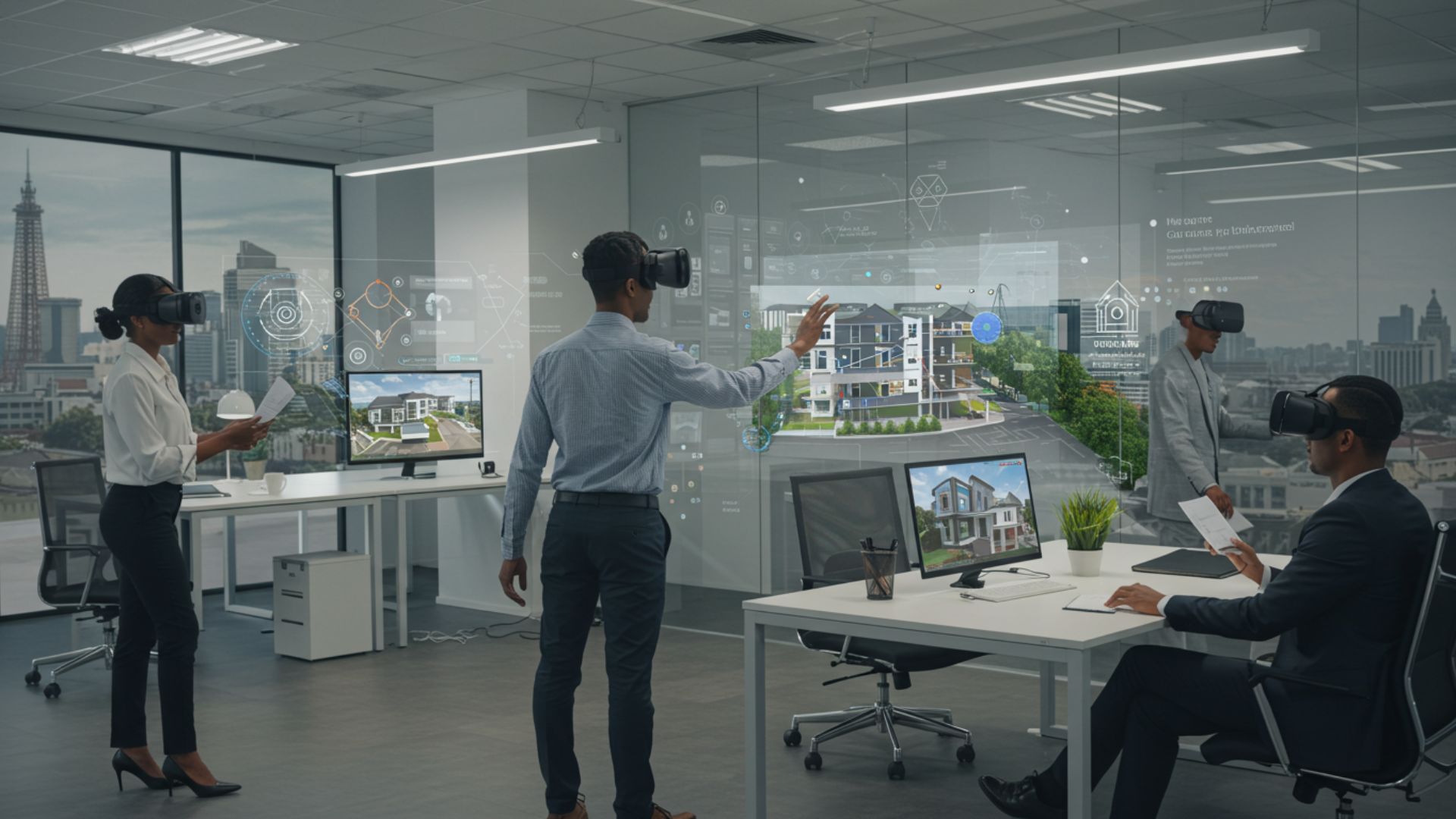
In the vibrant landscape of South Africa's dynamic economy, Virtual Tours have emerged as a pivotal tool, revolutionizing how businesses and the real estate sector operate. By harnessing advanced technologies, these immersive experiences offer unprecedented ways to showcase products, services, and properties, bridging the gap between physical presence and digital interaction. As businesses strive to stay competitive in an increasingly digital world, Virtual Tours provide a strategic advantage, enhancing customer engagement and expanding market reach. This exploration delves into the multifaceted benefits of Virtual Tours in South Africa, illustrating how they empower businesses and redefine real estate practices.
Enhancing Business Operations with Virtual Tours
Retail and E-commerce
Virtual Tours in the retail and e-commerce sectors serve as digital storefronts, allowing customers to navigate and explore products in a simulated environment. Imagine walking through a bustling South African market from the comfort of your home, interacting with vendors, and examining products up close without the constraints of physical geography. This immersive experience not only attracts a broader audience but also provides retailers with valuable insights into consumer behavior. By analyzing how customers interact within the virtual space, businesses can optimize product placements, enhance the shopping experience, and tailor marketing strategies to meet specific preferences.
Furthermore, Virtual Tours enable retailers to showcase their entire inventory without the need for expansive physical spaces. This is particularly advantageous for small businesses and startups looking to establish a presence without significant overhead costs. The ability to offer a comprehensive view of products in a visually appealing and interactive manner can significantly boost sales and customer satisfaction. As South Africa's e-commerce market continues to grow, Virtual Tours will play an essential role in driving online engagement and fostering brand loyalty.
Hospitality and Tourism
The hospitality and tourism industry in South Africa thrives on the allure of its diverse landscapes and vibrant cultural experiences. Virtual Tours provide hotels, resorts, and tourist attractions with a powerful marketing tool to showcase their offerings to a global audience. Prospective travelers can embark on a virtual journey through pristine beaches, luxurious accommodations, and breathtaking natural wonders, igniting their desire to visit in person. This immersive preview not only enhances the decision-making process but also sets realistic expectations, leading to higher guest satisfaction and reduced cancellations.
Additionally, Virtual Tours facilitate virtual bookings and reservations, streamlining the customer experience. By offering a detailed and interactive view of facilities and amenities, businesses can highlight their unique selling points and differentiate themselves from competitors. For instance, a safari lodge in the Kruger National Park can use Virtual Tours to display its lodges, game drives, and on-site activities, enticing wildlife enthusiasts to choose their establishment over others. As the tourism industry adapts to evolving consumer preferences, Virtual Tours will remain an indispensable asset in attracting and retaining visitors.
Education and Training
Virtual Tours have also made significant inroads into the education and training sectors, offering immersive learning environments that enhance comprehension and retention. Educational institutions across South Africa are leveraging Virtual Tours to provide virtual campus tours, allowing prospective students to explore facilities, classrooms, and recreational areas without the need for physical visits. This is particularly beneficial for international students or those residing in remote areas, offering them a realistic glimpse into the academic and social life of the institution.
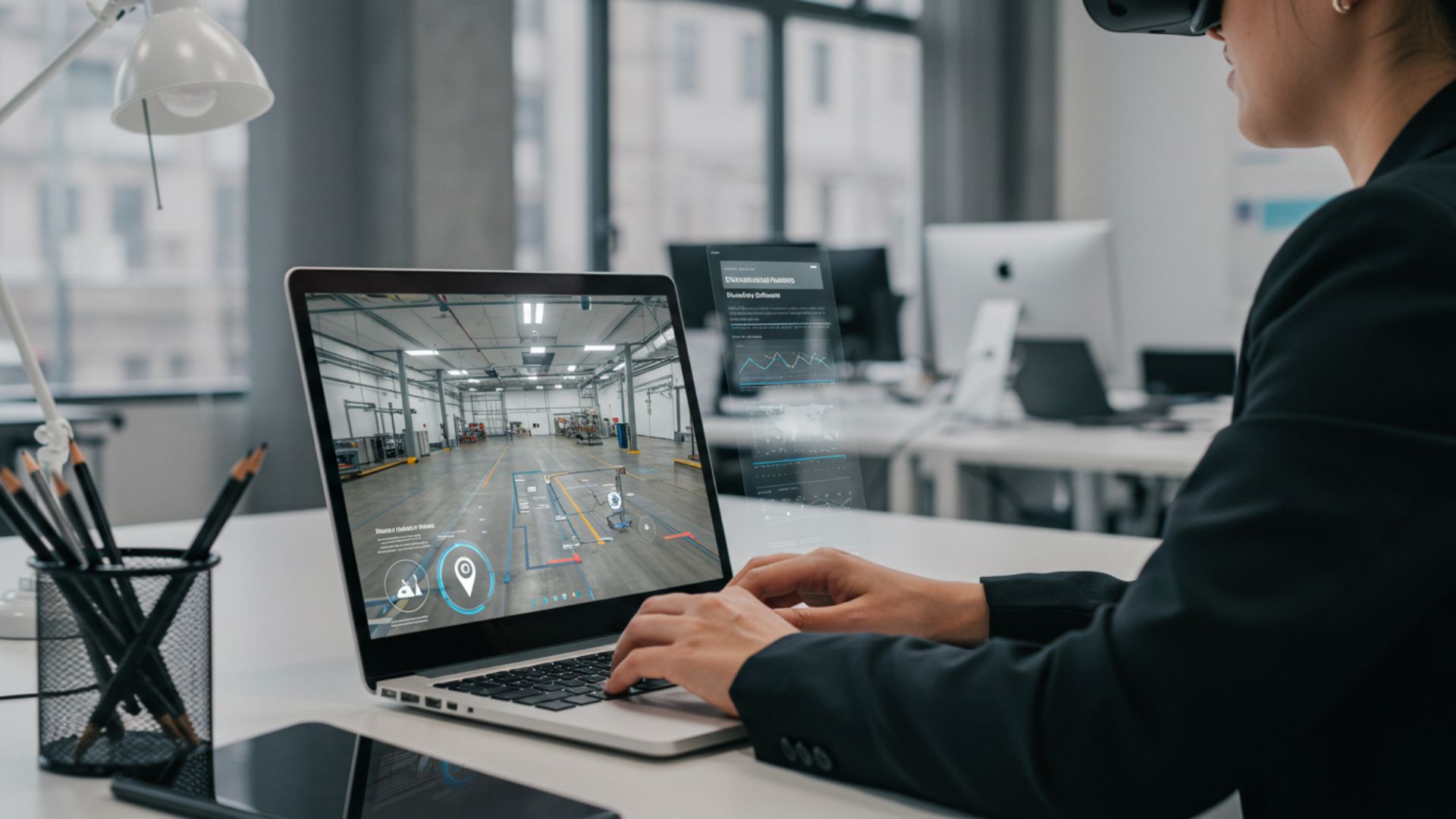
In corporate training, Virtual Tours offer simulated environments for employees to practice and develop skills in a controlled setting. For example, a manufacturing company can use Virtual Tours to train staff on operating complex machinery, navigating factory layouts, and adhering to safety protocols. These immersive training modules not only improve skill acquisition but also reduce the risk of accidents and errors in real-world operations. By integrating Virtual Tours into their training programs, businesses can ensure that their workforce is well-prepared, competent, and confident in their roles.
Revolutionizing Real Estate with Virtual Tours
Property Listings
In the competitive realm of South African real estate, Virtual Tours have transformed how properties are marketed and showcased. Traditional property listings rely heavily on static photographs and descriptive text, which can sometimes fail to capture the true essence and spatial dynamics of a property. Virtual Tours, however, offer a comprehensive and interactive experience, allowing potential buyers and renters to explore properties in a realistic 360-degree environment. This immersive approach provides a more accurate representation of the property's layout, design, and ambiance, enabling clients to make informed decisions without the need for multiple physical viewings.
Moreover, Virtual Tours enhance the efficiency of the property listing process by attracting a larger audience and generating higher levels of interest. Listings with Virtual Tours often receive more inquiries and leads compared to those without, as the interactive experience engages users more effectively. Real estate agents can also save time and resources by pre-qualifying interested parties through Virtual Tours, ensuring that only serious and informed clients proceed to in-person viewings. As the South African real estate market continues to evolve, Virtual Tours will remain a critical component in driving sales and rentals.
Virtual Open Houses
Virtual Open Houses have revolutionized the way real estate professionals conduct property viewings, offering a convenient and flexible alternative to traditional open house events. In a Virtual Open House, prospective buyers can explore a property at their own pace, navigating through each room and examining details in real-time. This eliminates the limitations of time and location, allowing for greater participation and accessibility. Additionally, Virtual Open Houses can be recorded and replayed, providing continuous exposure and extending the reach of property listings beyond scheduled viewing times.
For international investors and out-of-town buyers, Virtual Open Houses offer an invaluable opportunity to assess properties without the need for extensive travel. This not only reduces costs but also accelerates the decision-making process, enabling faster transactions and facilitating smoother negotiations. Furthermore, real estate agents can incorporate interactive features such as virtual staging, where digital furniture and decor are added to empty spaces, helping clients visualize the property's potential. By embracing Virtual Open Houses, South African real estate professionals can enhance their marketing strategies and cater to the evolving needs of modern buyers.
Real-Time Customization and Staging
One of the standout features of Virtual Tours in real estate is the ability to offer real-time customization and staging, providing potential buyers with a personalized and dynamic viewing experience. Through Virtual Tours, real estate agents can digitally furnish and decorate properties, allowing clients to envision different design possibilities and layouts. This level of customization helps buyers imagine themselves living in the space, fostering an emotional connection and increasing the likelihood of a purchase.
Additionally, Virtual Tours enable real-time modifications based on client feedback and preferences. For example, if a buyer prefers a specific color scheme or layout, the Virtual Tour can be adjusted on the fly to reflect those changes, offering a tailored experience that meets individual needs. This interactive approach not only enhances client satisfaction but also streamlines the sales process by addressing potential concerns and preferences early on. By leveraging real-time customization and staging, South African real estate agents can differentiate their offerings, showcase the property's versatility, and ultimately drive higher conversion rates.

Technological Advancements Driving Virtual Tours
High-Resolution Imaging and 360-Degree Cameras
The backbone of Virtual Tours lies in high-resolution imaging and the use of advanced 360-degree cameras, which capture every detail of a space with exceptional clarity and accuracy. These technologies allow for the creation of seamless and immersive environments that users can navigate effortlessly, providing a true-to-life representation of the physical space. In South Africa, the adoption of high-resolution imaging and 360-degree cameras has significantly enhanced the quality and appeal of Virtual Tours, making them an essential tool for businesses and real estate professionals alike.
Furthermore, the continuous advancements in camera technology have reduced the time and cost associated with creating Virtual Tours. Modern 360-degree cameras are more portable, user-friendly, and efficient, enabling quicker capture and processing of images. This accessibility allows businesses of all sizes to incorporate Virtual Tours into their marketing and operational strategies without requiring substantial investments. As imaging technology continues to evolve, the realism and interactivity of Virtual Tours will only improve, offering even more compelling and engaging experiences for users.
Integration with AR and VR
The integration of Augmented Reality (AR) and Virtual Reality (VR) with Virtual Tours is pushing the boundaries of immersive experiences, offering users unprecedented levels of interaction and engagement. AR overlays digital information and objects onto the real world, enhancing the user's perception and interaction with their environment. When combined with Virtual Tours, AR can provide additional layers of information, such as product details, pricing, and interactive elements, enriching the overall experience.
On the other hand, VR offers a fully immersive environment where users can navigate and interact with digital spaces in a more profound and engaging manner. In the context of real estate, VR-powered Virtual Tours allow clients to explore properties in a virtual space, interact with objects, and even make real-time adjustments to design elements. This seamless integration of AR and VR technologies enhances the functionality and appeal of Virtual Tours, making them a more versatile and powerful tool for businesses and real estate professionals in South Africa.
AI and Machine Learning
Artificial Intelligence (AI) and Machine Learning are playing an increasingly significant role in enhancing the capabilities and effectiveness of Virtual Tours. These technologies enable the creation of intelligent and adaptive Virtual Tours that can respond to user interactions, preferences, and behaviors in real-time. For instance, AI algorithms can analyze user engagement data to identify popular areas within a Virtual Tour, allowing businesses to optimize their offerings and improve user experience based on these insights.
Moreover, Machine Learning can facilitate the automation of various aspects of Virtual Tour creation, such as image stitching, editing, and optimization, streamlining the production process and reducing the time and effort required. In the real estate sector, AI-powered Virtual Tours can offer personalized recommendations, highlight key features based on user preferences, and provide interactive elements that enhance the overall experience. By leveraging AI and Machine Learning, Virtual Tours in South Africa are becoming more intelligent, efficient, and tailored to meet the unique needs of each user.

Benefits for Business and Real Estate
Increased Accessibility and Reach
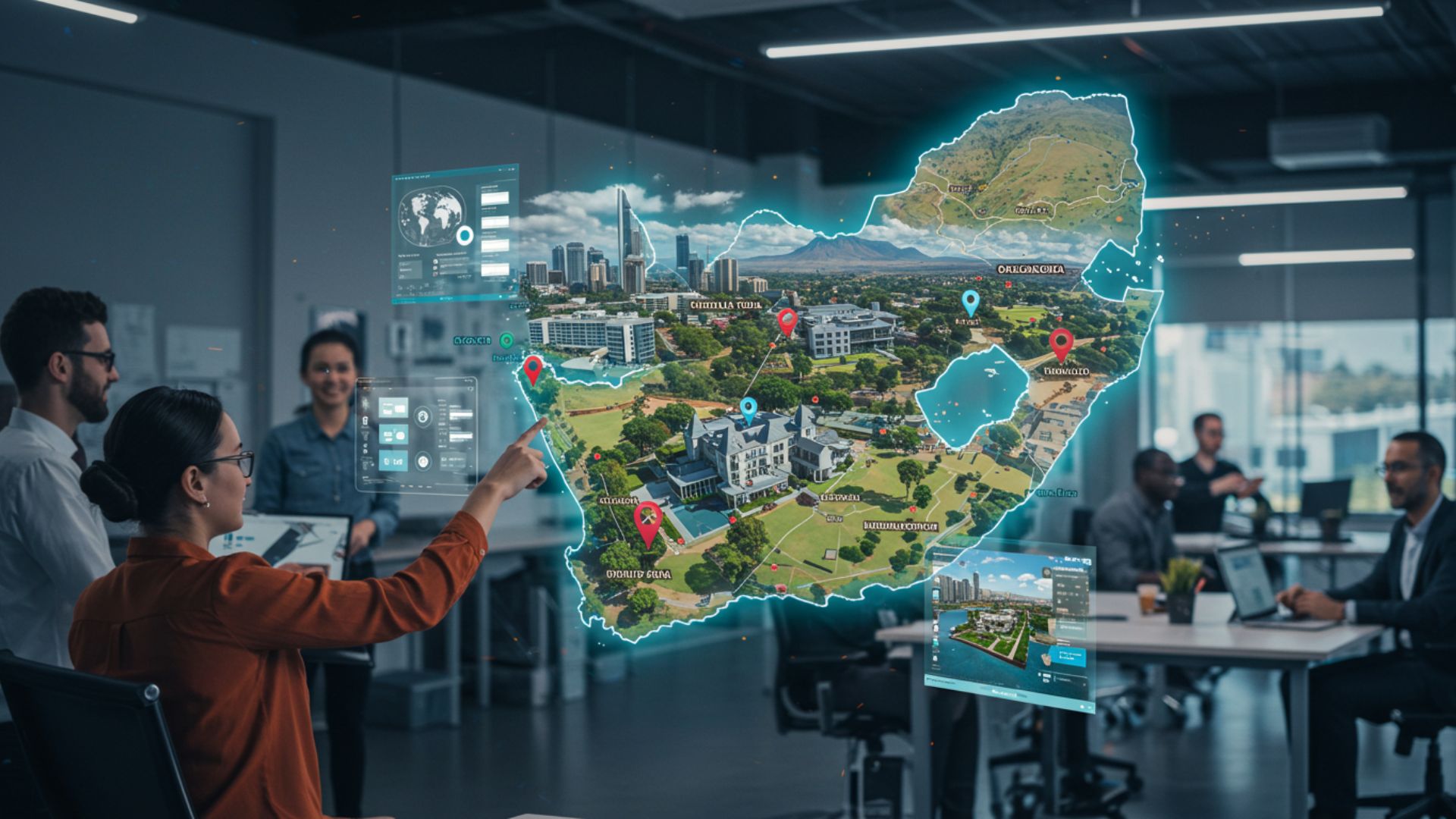
Virtual Tours significantly increase the accessibility and reach of businesses and real estate listings, allowing them to engage with a global audience without geographical limitations. In the context of South African real estate, Virtual Tours enable potential buyers and investors from around the world to explore properties remotely, eliminating the need for extensive travel and reducing barriers to entry. This expanded reach not only broadens the market but also increases the potential for higher sales and quicker transactions.
For businesses, Virtual Tours open up new avenues for customer engagement, enabling them to showcase products, services, and facilities to a diverse and widespread audience. Whether it's a retail store, hotel, or corporate office, Virtual Tours provide an interactive platform for businesses to present their offerings in a visually appealing and accessible manner. This enhanced accessibility fosters greater brand awareness, attracts more customers, and drives business growth in an increasingly competitive marketplace.
Cost-Effectiveness
Implementing Virtual Tours offers a cost-effective alternative to traditional methods of showcasing products, services, and properties. For real estate professionals, creating physical showrooms or staging properties can be expensive and time-consuming. Virtual Tours eliminate the need for these costly setups by providing a comprehensive and interactive view of properties without the associated overheads. This not only reduces costs but also allows for the efficient management of multiple listings, enhancing productivity and profitability.
In the broader business context, Virtual Tours enable companies to present their offerings without the need for extensive physical infrastructure. For example, a retail business can create a virtual storefront that customers can explore online, reducing the need for large physical spaces and the costs associated with maintaining them. Additionally, Virtual Tours can be reused and updated easily, providing a scalable and flexible solution that grows with the business. By minimizing expenses and maximizing efficiency, Virtual Tours offer significant financial benefits for businesses and real estate professionals in South Africa.
Enhanced Customer Engagement
Customer engagement is paramount in today's digital-first world, and Virtual Tours provide an exceptional means to captivate and interact with audiences. The immersive and interactive nature of Virtual Tours encourages users to spend more time exploring offerings, leading to deeper engagement and a stronger connection with the brand or property. In real estate, Virtual Tours allow potential buyers to navigate through properties at their own pace, interact with different rooms, and visualize the space in a way that static images cannot achieve.
Furthermore, Virtual Tours can incorporate interactive elements such as clickable hotspots, embedded videos, and informational pop-ups, providing users with additional information and enhancing their overall experience. These features not only make the tour more engaging but also facilitate better understanding and appreciation of the offerings. By fostering a more interactive and engaging experience, Virtual Tours help businesses and real estate professionals build stronger relationships with their customers, leading to increased satisfaction, loyalty, and ultimately, higher conversion rates.

Future Prospects of Virtual Tours in South Africa
Expansion into New Sectors
As Virtual Tour technology continues to advance, its applications are expanding into new sectors beyond business and real estate. Industries such as healthcare, education, and entertainment are beginning to harness the power of Virtual Tours to enhance their services and offerings. In healthcare, Virtual Tours can be used to guide patients through medical facilities, providing a familiar and comforting experience before their visits. Educational institutions can offer virtual campus tours, allowing prospective students to explore classrooms, dormitories, and recreational facilities from afar.
In the entertainment industry, Virtual Tours can create immersive experiences for concerts, theaters, and museums, attracting a wider audience and providing unique ways to engage with cultural content. This diversification of applications highlights the versatility and potential of Virtual Tours, positioning them as a transformative tool across various sectors in South Africa. As more industries recognize the benefits of Virtual Tours, their adoption is expected to grow, driving innovation and enhancing the overall user experience.
Enhanced Interactivity and Personalization
The future of Virtual Tours lies in enhanced interactivity and personalization, allowing for more tailored and engaging experiences. Advancements in AI and Machine Learning will enable Virtual Tours to adapt to individual user preferences, offering personalized recommendations and interactive elements that cater to specific interests. For instance, in real estate, a Virtual Tour could highlight features that align with a buyer's preferences, such as showcasing eco-friendly elements for environmentally conscious clients or highlighting entertainment spaces for those who enjoy hosting gatherings.
Moreover, the integration of voice recognition and gesture controls will make Virtual Tours more intuitive and accessible, allowing users to navigate and interact with the environment using natural movements and commands. This level of personalization not only enhances user satisfaction but also increases the effectiveness of Virtual Tours as a marketing and engagement tool. By offering a more customized and interactive experience, Virtual Tours will become even more compelling and relevant to users, driving higher levels of engagement and conversion.
Sustainable and Eco-Friendly Solutions
In an era where sustainability is increasingly important, Virtual Tours offer an eco-friendly alternative to traditional methods of showcasing products, services, and properties. By reducing the need for physical travel, Virtual Tours help lower carbon emissions associated with transportation, contributing to environmental conservation efforts. This is particularly relevant in South Africa, where the tourism and real estate sectors play significant roles in the economy but also have substantial environmental footprints.
Additionally, Virtual Tours minimize the use of physical resources such as printed brochures, signage, and staging materials, further reducing waste and promoting sustainable business practices. For businesses and real estate professionals committed to environmental responsibility, Virtual Tours provide a way to showcase their offerings in a manner that aligns with sustainability goals. As environmental awareness continues to grow, the adoption of Virtual Tours will not only benefit businesses and real estate professionals but also contribute to broader efforts to protect and preserve the natural environment.
Frequently Asked Questions
What is a Virtual Tour?
A Virtual Tour is an interactive, 360-degree digital representation of a physical space, allowing users to navigate and explore environments remotely. It can include panoramic images, videos, and sometimes augmented or virtual reality elements for a more immersive experience.
How can Virtual Tours benefit my business?
Virtual Tours enhance customer engagement by providing an interactive and immersive way to showcase products, services, or facilities. They expand your reach to a global audience, save costs associated with physical showrooms, and provide valuable insights through data analytics.
Are Virtual Tours suitable for all types of properties in real estate?
Yes, Virtual Tours are suitable for various types of properties, including residential homes, commercial spaces, apartments, and land. They are particularly effective for properties that benefit from visual showcasing and require detailed exploration.
What equipment is needed to create a Virtual Tour?
Creating a high-quality Virtual Tour typically requires a 360-degree camera, software for stitching and editing images, and a platform to host and share the tours. Advanced features may also incorporate AR or VR technologies, requiring compatible hardware.
Can Virtual Tours replace physical property visits?
While Virtual Tours provide a comprehensive and convenient way to explore properties, they complement rather than completely replace physical visits. They offer an initial exploration and can streamline the decision-making process, but in-person visits may still be necessary for final assessments and transactions.
How do I integrate Virtual Tours into my marketing strategy?
Integrate Virtual Tours by embedding them on your website, sharing them on social media platforms, including them in email marketing campaigns, and using them in online advertisements. Ensure that Virtual Tours are easily accessible and promoted as a key feature of your offerings.
Are there any costs associated with creating Virtual Tours?
Yes, there are costs involved in creating Virtual Tours, including purchasing or renting 360-degree cameras, software for editing and stitching images, and platform fees for hosting and sharing the tours. However, the long-term benefits and potential cost savings can outweigh the initial investment.