

Virtual Tours for Event Venues
Author
Elisha Roodt
Date Published
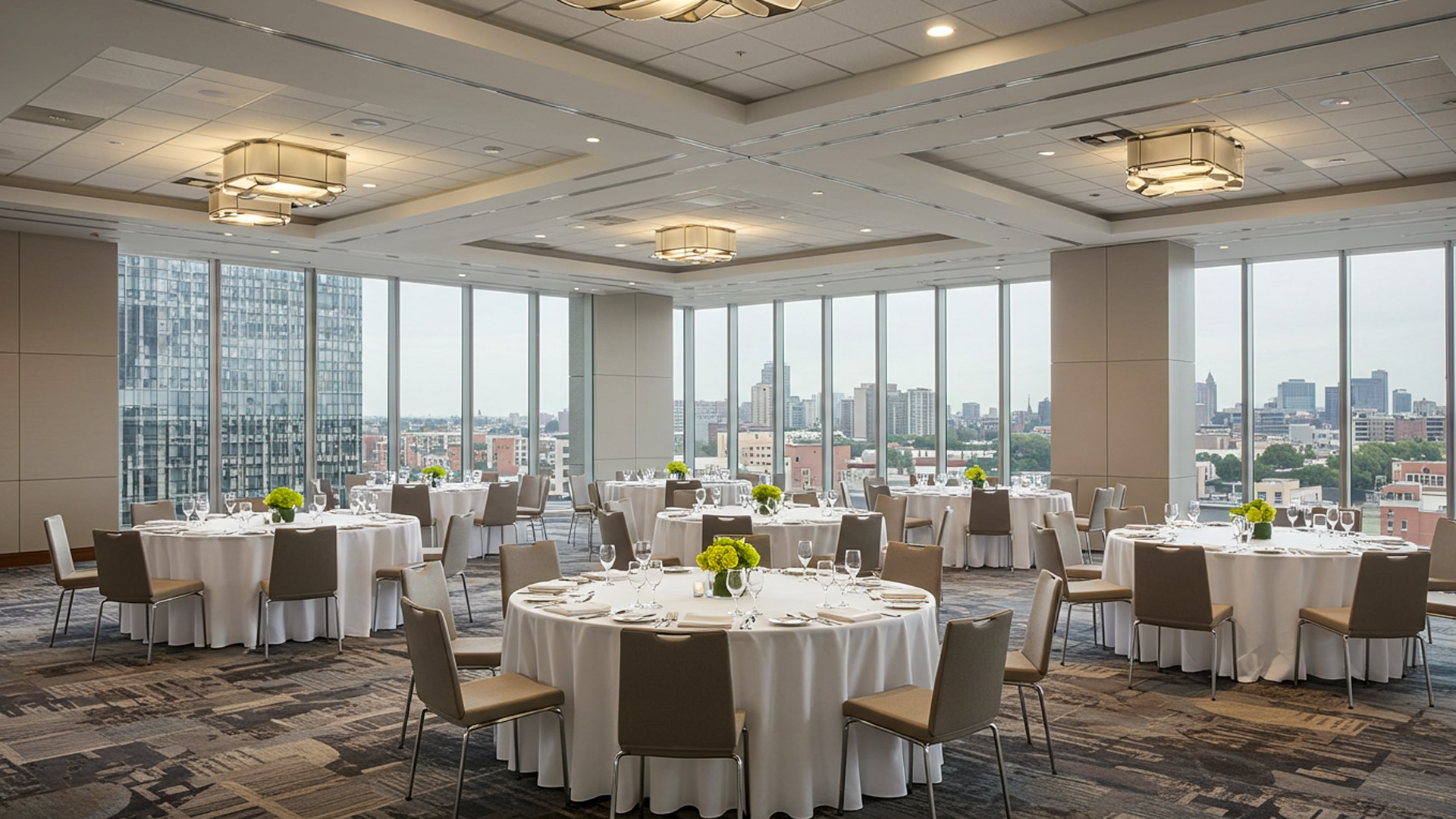
Turning Walkthroughs into Workhorses for Sales and Operations
Event professionals decide with their feet. If they can “walk” a room—even virtually—they calibrate scale, logistics, and vibe in seconds. Three-dimensional tours convert flat brochures into navigable evidence, letting buyers preview seating, lighting, and flow from anywhere. Venue managers who adopt them report fewer site-visit bottlenecks, clearer expectations, and faster approvals. This article distills field feedback into a practical blueprint: why spatial confidence accelerates deals, how virtual staging demonstrates versatility without moving a single chair, and where data from tour interactions sharpens both marketing and operations. Think of a 3D tour as a digital twin with manners: informative, persuasive, and remarkably efficient.
Spatial Confidence: Why Virtual Tours Sell Venues Faster
Reducing Perceived Risk for Planners
Planners essentially trade in risk mitigation. Their biggest fear is discovering constraints too late—columns blocking sightlines, ceiling heights limiting truss, or load-in routes complicating vendor schedules. A 3D tour reduces uncertainty by letting stakeholders interrogate the space at their own pace. They can “stand” on the stage and check audience throw, step into the foyer to gauge registration queues, or peer toward rigging points to preflight production. That tactile sense of spatial truth compresses back-and-forth emails and eliminates costly “just to be safe” overages. The psychological switch is real: from imagining problems to verifying solutions, all before anyone hails a rideshare.
Consider a touring brand team evaluating two similar ballrooms. One offers a link to a richly annotated tour with hotspots: power drops, max occupancy by configuration, and marked load-in doors. The other emails PDFs and promises a great walkthrough when you arrive. The first venue creates immediate cognitive relief. Decision-makers can evaluate complexity asynchronously, tag questions, and circulate a shared, visual reference across finance, marketing, and A/V. Instead of a nebulous “we’ll see it on Thursday,” the conversation shifts to “given a 12-meter throw and headcount of 420, the U-shape fits.” That specificity accelerates internal approvals and nudges the venue to the shortlist.
From Static Collateral to Walkable Proof
Traditional collateral—floor plans, spec sheets, glossy photography—offers fidelity but not embodiment. A 3D tour stitches geometry, textures, and lighting into a navigable proof of capability. When layered with measurement tools, planners validate stage depths, aisle widths, and ADA pathways directly. Add simple toggles for house lights versus show lights and they can infer ambience and photography baselines. Because the medium is interactive, stakeholders self-serve answers and build confidence without a salesperson narrating every corner. The experience is consultative, not performative, and the “aha” moments occur naturally when someone pivots the view and sees line-of-sight from the worst seat in the house.
Operational clarity is an underappreciated upside. Annotated pins can document floor-load limits, ceiling grids, or noise restrictions tied to adjacent tenants. Instead of burying caveats in contracts, venues can visualize constraints precisely where they matter. That transparency prevents scope creep and rework later. One tech client described the effect as “pre-boarding the event”—everyone absorbs the rules during the virtual walk, so first production meetings start on second-order questions instead of basics. The result is less friction at bid time and fewer surprises during execution. Walkable proof de-dramatizes the sales cycle by turning assumptions into measured, shared realities early.
Anecdotes from the Sales Floor
A boutique gallery told us Saturday site visits regularly ballooned into two-hour marathons. Couples compared Pinterest inspiration to ambiguous room photos and struggled to visualize real capacities. After publishing a tour with three layout toggles—ceremony, cocktail, and reception—the median onsite time dropped by a third, while bookings rose because visitors arrived pre-aligned on what fit. Another convention hall noted that international organizers, unable to travel, made confident holds after touring virtually with their A/V partner. When they later visited in person, the trip was a quality check, not a discovery mission. Confidence transformed travel from prerequisite to preference.
One planner recalled a moment that sealed a deal: she “stood” behind a pillar inside the tour and toggled between classroom and banquet to gauge sightline loss at rear tables. That micro-validation broke a stalemate between production and catering over table density. In her words, “we weren’t arguing opinions; we were looking at the same room.” Venues often underestimate the diplomatic power of a shared model. It functions like a referee that never raises its voice—quiet, impartial, and relentlessly available. When every stakeholder can verify the same geometry on demand, decisions stop orbiting personality and start anchoring to physics.
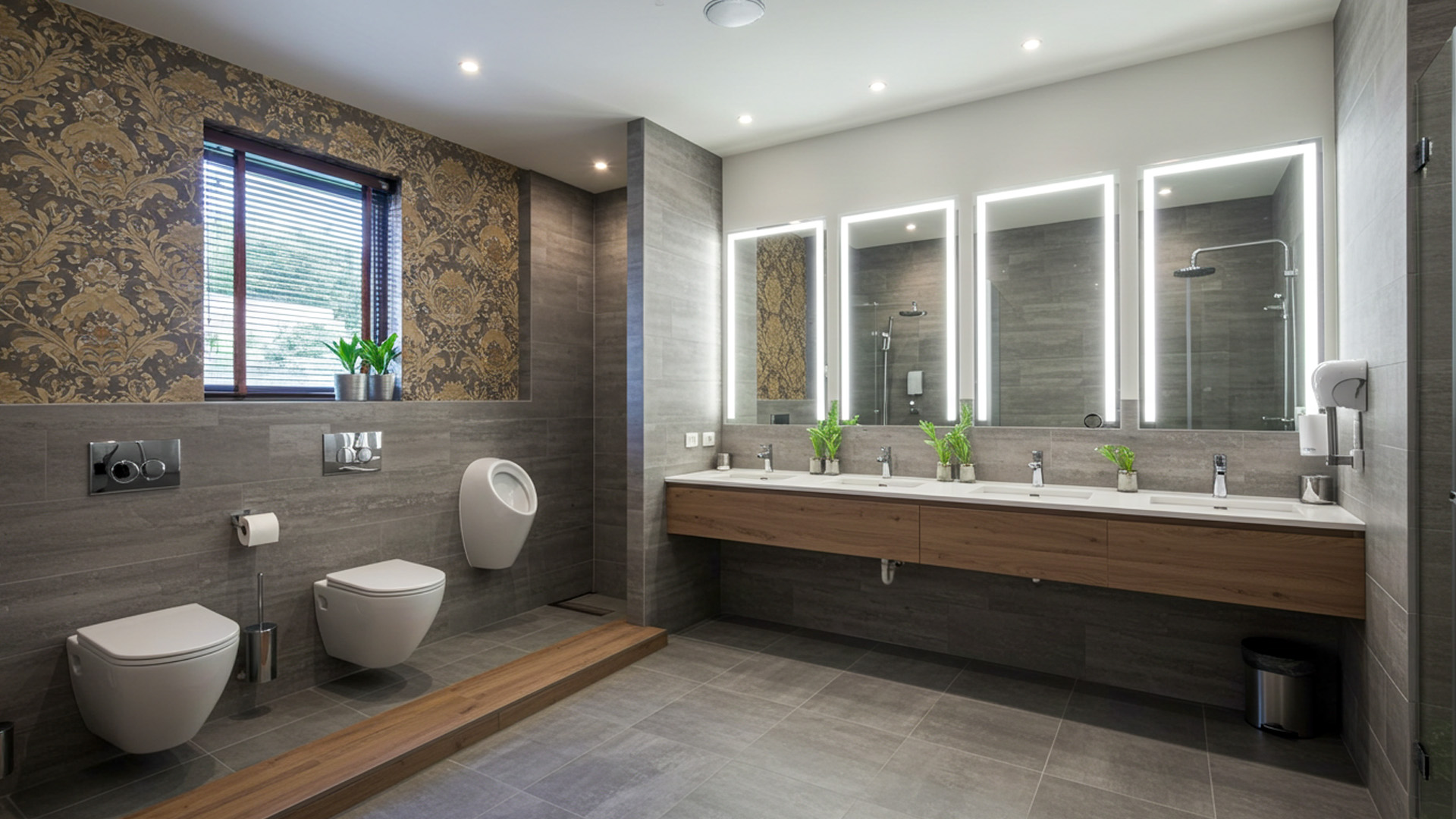
Layout Flexibility in Motion: Virtual Staging and Floor Plans
Configurable Seating Archetypes
Every venue sells versatility, yet floor plans rarely communicate it viscerally. Virtual staging turns abstractions into options shoppers can “feel.” Within a single tour, present archetypes—banquet, classroom, theater, cabaret, cocktail—each with accurate spacings, aisle widths, and realistic table dressing. Allow fast toggles between capacities, then persist the camera position so viewers can compare the same perspective across setups. The goal is not a rendering beauty parade; it is decision scaffolding. Clients internalize trade-offs immediately: sightlines tighten here, stage clearance improves there, and bar placement influences dwell times. Choices stop being promises and start becoming previews they can test drive.
For corporate offsites, hybrid models matter. Show a theater configuration with a camera pedestal at the rear and a cabling pathway mapped to the stage. Then flip to classroom with narrow tables scaled to laptop depth and integrated power strips. When a planner sees their use case acknowledged—streaming risers, sponsor booths, breakout nooks—the venue graduates from generic to bespoke. Blend stylized staging for mood with compliance-faithful spacing under the hood, so the look inspires while the math holds. It’s choreography, not just decor, and it convinces stakeholders that the room breathes with them, not despite them.
Flow Simulation for Catering, A/V, and Safety
Beyond static seating, the real artistry lives in flow. Use the tour to visualize registration chokepoints, coat check placement, and ADA lines around buffet islands. Overlay directional cues or subtle path highlights to illustrate ingress and egress. Simulate bar distribution by rendering small clusters and then “walking” service routes to confirm staff movement doesn’t cross audience sightlines. Safety teams appreciate seeing clearances around fire exits and distances between crowd nodes. By animating these flows—lightweight, not cinematic—you let teams validate pacing: how guests arrive, orbit, and disperse. The venue becomes a stage set with blocking, not merely a room with furniture.
A/V teams can pre-patch the space before stepping inside. Mark dedicated 20-amp circuits, rigging points with load ratings, and projector throws with lens recommendations. Show cabling runs that avoid trip hazards and maintain ADA paths. Even simple extras—microphone storage, rehearsal corners, or stage-left greenrooms—telegraph hospitality and reduce day-of scramble. When catering sees realistic table reach and back-of-house routing, they adjust staffing and prep lists with precision. The tour becomes shared previsualization, replacing guesswork with choreography. More than pretty pictures, it’s a planning sandbox where each vendor can test assumptions and align on a frictionless show day.
Vendor Previsualization and Sign-off
Vendors sign contracts, but what they deliver is alignment. Host a password-protected version of the tour where partners can pin comments, upload sketches, or drop dimensioned overlays. A florist can mark ceiling rig points for hanging installations; the lighting designer can preview beam spread and spill on glossy surfaces; the DJ can test subwoofer placement against wall materials. Each annotation becomes part of the institutional memory for that event, visible to the venue and the client. The outcome is fewer speculative revisions and fewer last-minute surprises. Stakeholders move from “we think” to “we agree,” backed by a shared, navigable model.
After sign-off, archive the annotated tour as a post-mortem artifact. When an annual conference returns, the sales team can reactivate prior decisions instantly: same general session footprint, revised breakout count, improved sponsor aisles. New staff can onboard by walking through last year’s execution instead of combing through PDFs and email threads. That continuity compounds operational IQ and reduces institutional drift. In practice, venues report faster pre-production timelines and fewer change orders. The tour is no longer just a marketing asset; it’s a living specification that captures collaborative intelligence and reuses it year over year, compounding value with each cycle.
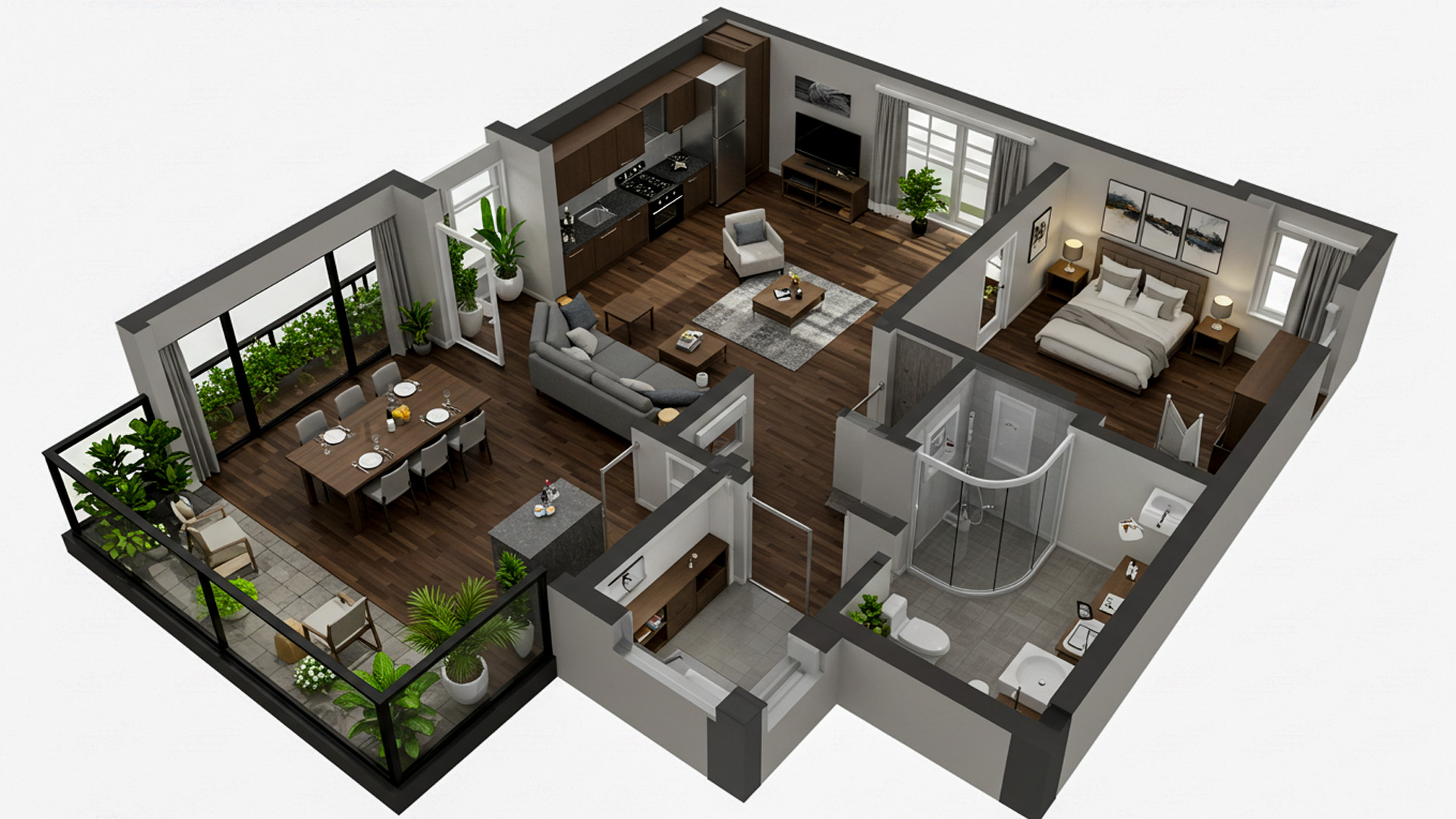
Revenue Uplift: Conversion, Upsell, and Reach
Shortening the Sales Cycle and Boosting Close Rates
Speed wins. A well-structured tour serves as a 24/7 pre-qualification engine, letting buyers evaluate fit before requesting proposals. Sales teams report that inquiries arriving after a tour tend to be warmer, with specifics already discussed internally. Because prospects have “walked” the space, site visits become confirmations rather than auditions. This compresses time-to-contract and improves forecast accuracy. Pair the tour with a simple configurator—date availability, layout choice, headcount bands—and you enable light quoting without human intervention. The right prospects bubble up; the wrong ones self-select out. Both outcomes save time, reduce acquisition cost, and keep calendars populated with winnable leads.
Close rates climb when visual certainty replaces verbal persuasion. A planner who can screenshot a stage view from row twenty and paste it into an internal deck arms their stakeholders with evidence, not adjectives. Finance trusts capacity claims; marketing trusts brand fit; operations trusts load-in feasibility. Each layer of confidence trims approval loops. Some venues even embed short screen-recorded “micro-tours” for common use cases—wedding ceremony flow, gala reception reveal, investor day press pit—which serve as reusable sales assets. The net effect: fewer meetings to explain the same points, more signatures, and fewer post-contract renegotiations triggered by misaligned expectations.
Premium Packages Through Visual Merchandising
Upsells land when buyers can see, not just hear, the delta. Use staging toggles to showcase premium linens, upgraded chairs, intelligent lighting looks, or bespoke drape. Offer a baseline view, a mid-tier enhancement, and a full production look that reframes the room. Price is abstract; ambiance is visceral. When a nonprofit director virtually walks a donor gala under warm pin-spots with a textured gobo wash, the incremental spend feels like impact, not indulgence. Bundle add-ons as scenes—“Editorial Ceremony,” “Retro Cocktail,” “Studio Keynote”—and let prospects browse like a lookbook. You’re merchandizing atmosphere, and the cart value follows.
Food and beverage benefit too. Render buffet islands that imply traffic distribution, then toggle to station service with chef interactions. Visualizing queue lengths and social density reframes F&B from cost center to experience design. Sponsors love to see brand placements in context: step-and-repeat walls, charging lounges, or interactive demos. Even modest digital overlays—animated signage or subtle kinetic light—can communicate how the venue transforms after dark. By controlling the narrative within the tour, venues shape perceived value ladders. Instead of discount battles, conversations revolve around outcomes: guest delight, sponsor visibility, and program flow that advances organizational goals.
Accessibility, Remote Buyers, and Global Reach
Not every decision-maker can travel. International organizers, distributed boards, and corporate legal teams increasingly evaluate venues remotely. A high-quality tour with accurate dimensions and honest lighting bridges geography without diluting trust. Include closed captions on walkthrough videos and clear keyboard navigation to meet accessibility standards. For multilingual audiences, add label localization and metric/imperial toggles. With these affordances, a London-based producer and a Cape Town caterer can assess the same Johannesburg venue in a morning, resolve feasibility, and proceed to contracting by afternoon. Reach expands, seasonality smooths, and off-peak windows fill because the buying friction curve flattens dramatically.
There’s also reputational lift. When a venue treats transparency as a feature—honest sunlight, visible blemishes, real-world acoustics noted in context—planners reciprocate with trust. Reviews cite “what you saw is what you got,” a surprisingly rare compliment in event sales. In competitive urban markets, that credibility is a durable differentiator. Add lightweight analytics and you’ll even learn which regions engage most. If buyers from a particular city spend 40% longer in the cocktail setup, tailor outreach and partnerships accordingly. Virtual reach is not just more eyeballs; it’s pattern discovery that feeds smarter marketing and tighter product-market fit.
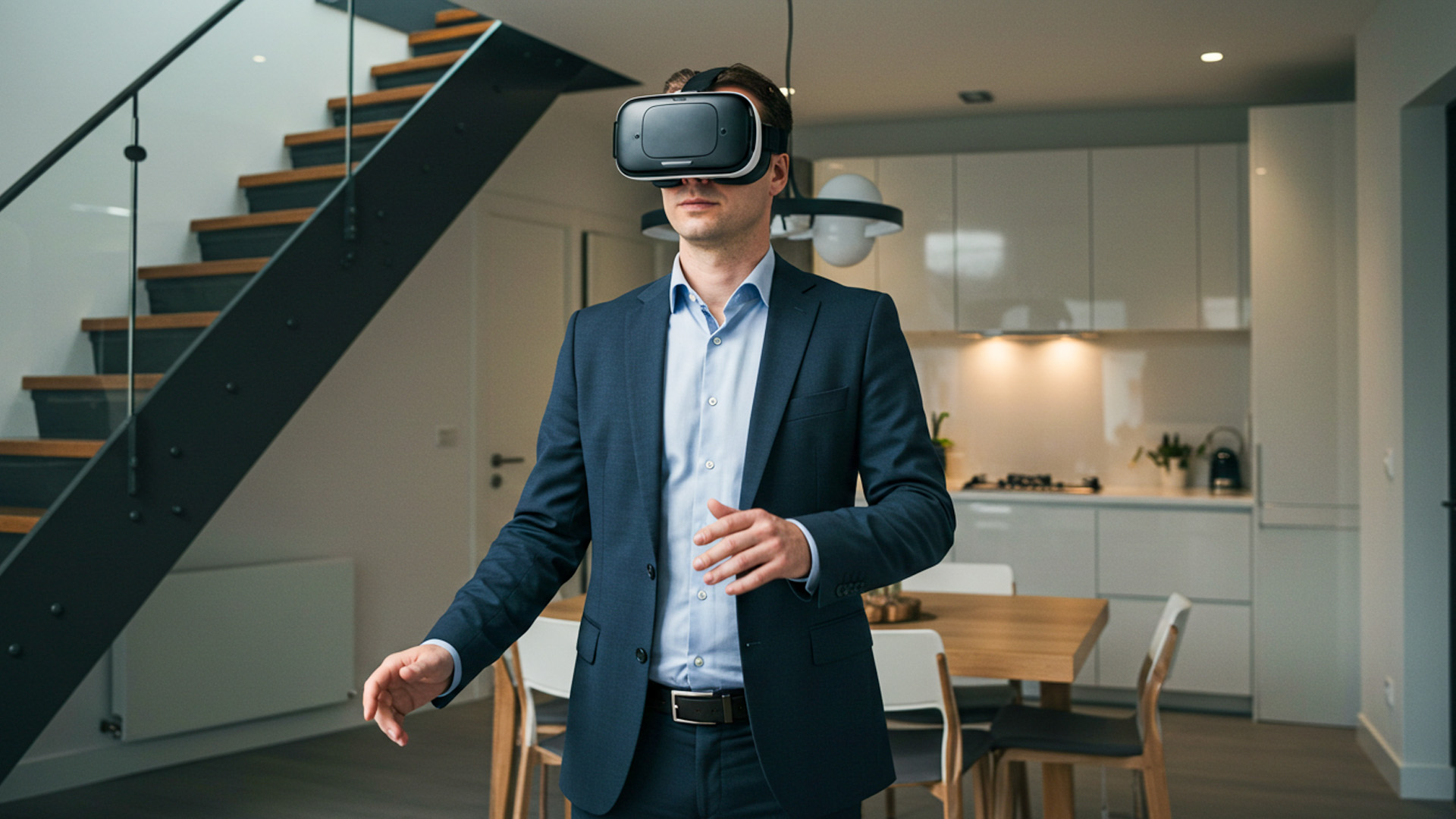
Implementation Playbook: Capture, Integrate, Maintain
Capture Pipeline, Hardware, and Fidelity Choices
Start with intent. If the tour must support measurement and staging toggles, prioritize photogrammetry or LiDAR-aided scans over photo-only panoramas. A prosumer 360 camera produces quick wins; a structured-light rig yields CAD-friendly meshes. Map lighting states: house bright, evening warm, and show mode. Capture key sightlines at human eye height, then add vantage points for stage, balcony, and back-of-house. Keep white balance consistent across rooms to avoid jarring transitions. File your source assets with event-friendly names—“Ballroom_A_South_Door”—so production partners can reference them. Fidelity is not about pixel vanity; it’s about truthful geometry that holds up under scrutiny.
Build for performance. Compress textures intelligently, prefetch common scenes, and lazy-load high-detail mesh sections on demand. Offer a low-bandwidth mode for hotel Wi-Fi and mobile buyers. On the editorial side, draft a checklist: dimensions verified, power drops labeled, egress routes marked, ADA compliance notes added. Decide early which elements will be interactive (seating toggles, lighting presets) versus static. Establish a cadence for re-scans after renovations or seasonal decor changes. Treat your tour like a product release with version numbers and change logs. Consistency signals professionalism and prevents the “which link is current?” confusion that erodes trust at crunch time.
Interactivity, Integrations, and Data Telemetry
Interactivity converts curiosity into commitment. Embed capacity calculators that update as layouts change. Add a “stand here” button that jumps to pre-curated vantage points: CEO view from the podium, photographer’s corner near the aisle, or mix position at front-of-house. Integrate calendar availability, proposal request forms, and live chat. If your CRM supports it, pass UTM parameters and tour events—layout toggles, time in ballroom, hotspots clicked—so sales sees intent signals in context. Telemetry should be respectful yet actionable: which setups receive attention, which rooms attract drop-offs, which annotations trigger contact. Data turns the tour from brochure into instrument panel.
Use guardrails. Track analytics at the aggregate level, anonymize by default, and disclose data practices transparently within the tour. Offer an email-gated export of annotated screenshots so planners can capture stakeholder-ready slides without violating terms. If you sell through partners, provide white-label links with their branding and campaign codes embedded. The aim is an ecosystem where the tour feeds your pipeline while respecting planner privacy and vendor relationships. Done well, integrations remove busywork: sales spends less time copying dimensions into emails and more time solving problems. Operationally, the data guides staffing, inventory, and promotional emphasis with surprising precision.
Governance, Versioning, and Lifecycle Updates
Treat the tour as a living standard, not a one-off project. Assign ownership across marketing (story and visuals), sales (enablement), and operations (accuracy). Establish SLAs: layout changes reflected within five business days, new rigging points documented within two weeks, and seasonal styling reviewed quarterly. Use semantic versioning—v2.1 adds cabaret toggle—to preserve links while communicating updates. When renovations occur, publish a “What’s New” waypoint in the tour that highlights changes. This ritual builds buyer confidence and reduces internal re-briefs. Think of the tour as a venue’s changelog: a transparent ledger where improvements are visible, searchable, and instantly shareable.
Plan for deprecation. Sunsetting an outdated look is as important as launching a new one. Create archival links for legacy clients so their historical documentation remains accessible, but nudge new prospects to the current version via redirects. Maintain a small QA panel of planners and vendors who preview updates and provide candid feedback before release. Their lived experience catches mislabeling, unrealistic spacing, or missing annotations quickly. Over time, this governance discipline compounds into a brand promise: what you see is accurate, maintained, and production-ready. In a market crowded with pretty pictures, operational honesty becomes your competitive moat.
Implementation Playbook