

The Power of 3D Scanning: Transforming Industries with Virtual Tours
Author
RonelFerreira
Date Published
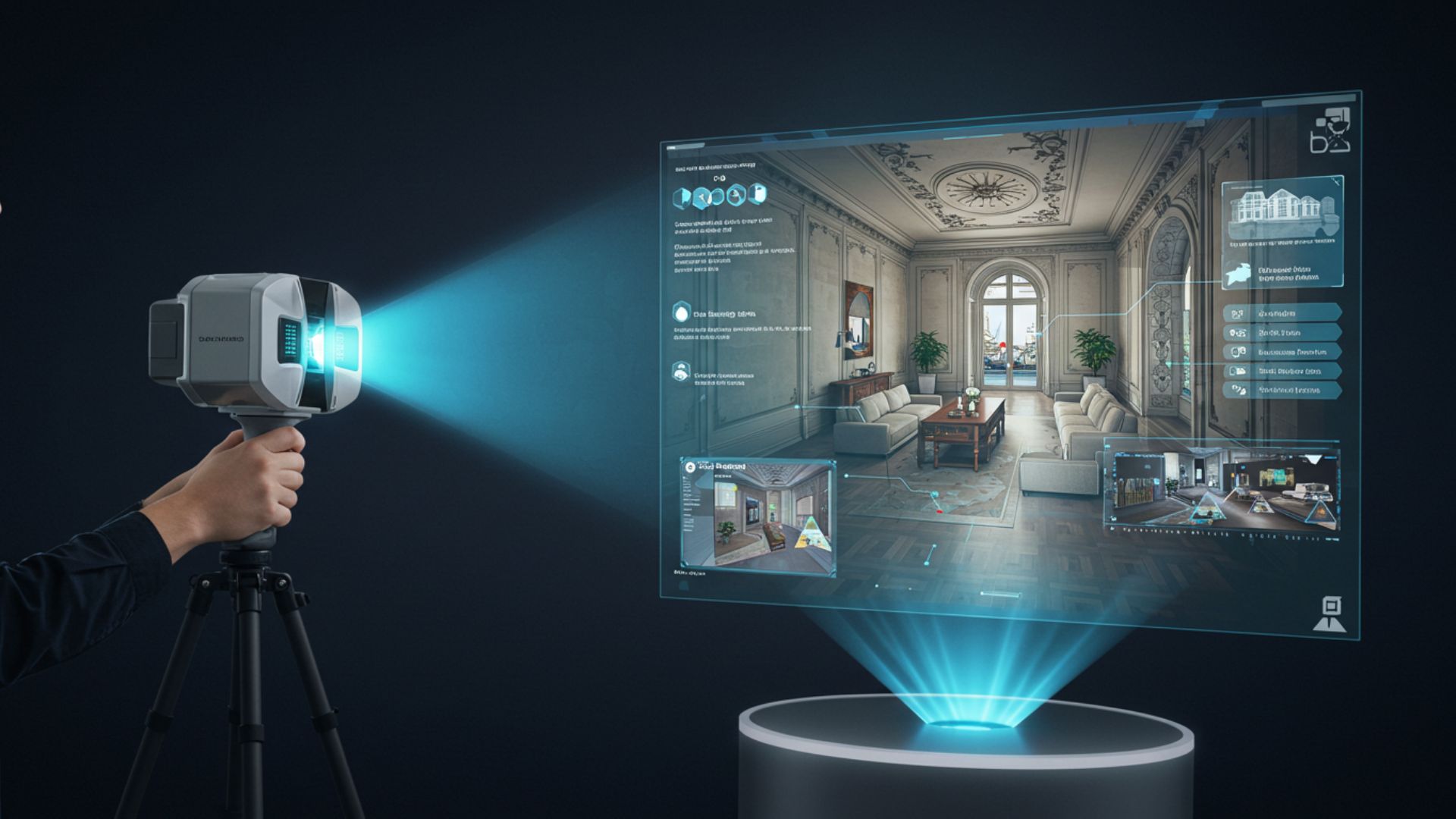
Unlocking New Dimensions in Exploration and Engagement
Imagine wandering through the ancient halls of a cathedral thousands of miles away, or exploring a sprawling real estate property without ever leaving your home. The advent of 3D scanning and virtual tours has made these scenarios a reality, revolutionizing how we interact with and perceive spaces. By creating detailed digital replicas of environments, 3D scanning enables virtual tours that offer unprecedented accessibility, engagement, and utility across various industries. This exploration delves into the myriad advantages and applications of 3D scans and virtual tours, highlighting how this technology is reshaping sectors from real estate and tourism to education and cultural preservation.
Enhanced Accessibility
Breaking Geographical Barriers
Imagine being unable to visit a landmark due to distance, physical limitations, or time constraints. Virtual tours, powered by 3D scanning, eliminate these obstacles by allowing individuals to explore spaces remotely. This technological breakthrough is particularly beneficial for those who cannot travel easily or affordably. For instance, the Vatican has introduced AI-enabled virtual tours of St. Peter's Basilica, providing global access to this historic and revered site. Visitors can now immerse themselves in the grandeur of the basilica from the comfort of their homes, experiencing its intricate architecture and sacred ambiance without the need for physical presence.
Inclusivity for All
Virtual tours also enhance inclusivity by catering to individuals with physical disabilities or mobility issues. Traditional tours often require extensive walking or navigating crowded spaces, which can be challenging for some. Virtual tours offer a comfortable and controlled environment where users can explore at their own pace, ensuring that everyone has the opportunity to experience and appreciate various spaces. This level of accessibility democratizes experiences that were once limited to those who could physically attend, fostering a more inclusive and equitable access to cultural, educational, and commercial environments.
Increased Engagement and Interest
Immersive and Interactive Experiences
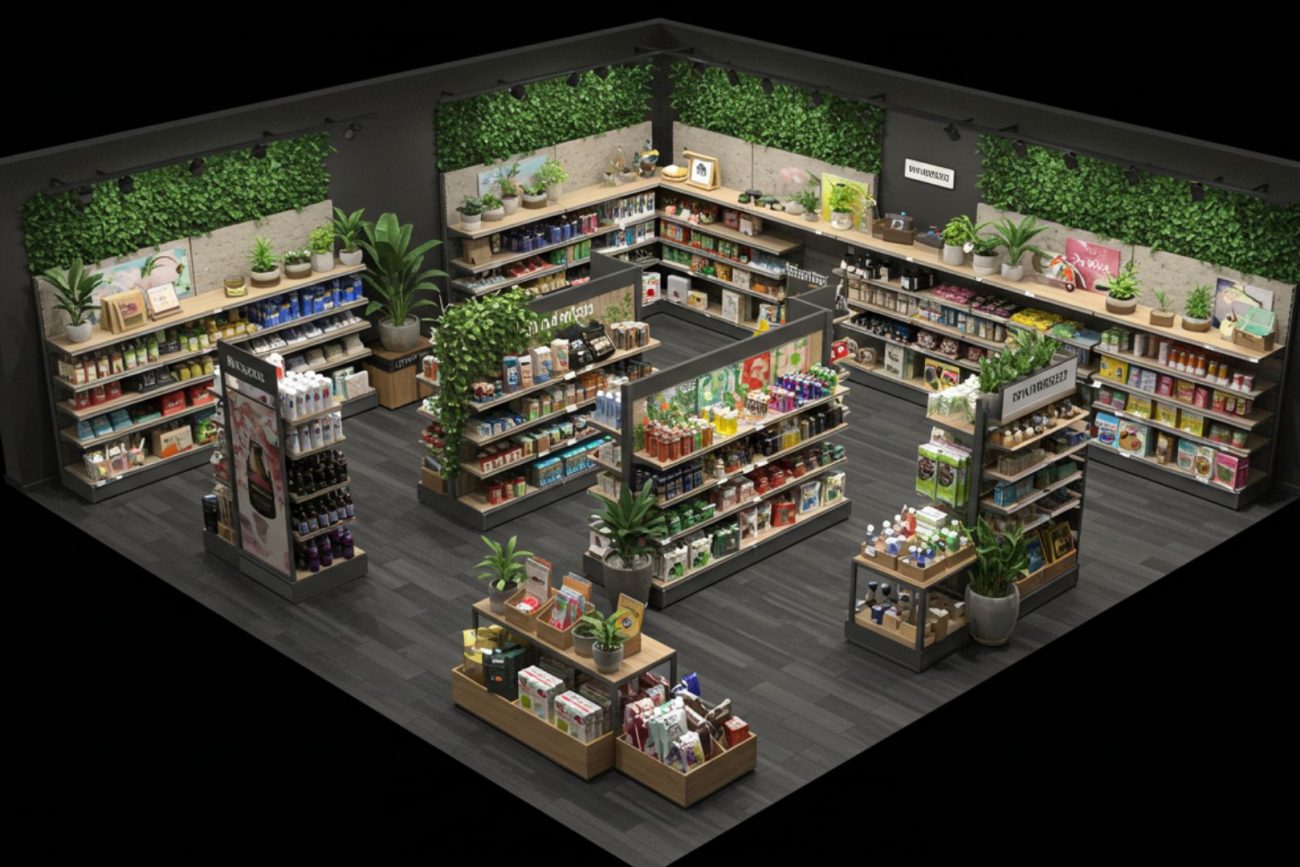
Interactive 3D tours transform passive viewing into active exploration, capturing the attention of potential clients or visitors more effectively than traditional 2D images. The immersive nature of virtual tours engages users on multiple sensory levels, making the experience more memorable and impactful. In the real estate sector, for example, virtual tours allow prospective buyers to walk through properties, visualize space utilization, and gain a realistic sense of the layout and features without the need for multiple physical visits. This heightened engagement not only enhances the user experience but also increases the likelihood of conversion by providing a comprehensive and interactive preview of the property.
Emotional Connection and Storytelling
Virtual tours facilitate a deeper emotional connection by enabling users to navigate spaces as if they were physically present. This experiential aspect can evoke emotions and create lasting impressions, fostering a stronger interest and attachment to the subject. For instance, virtual tours of historical sites can transport users back in time, allowing them to witness and interact with significant events and environments. This immersive storytelling approach enhances user engagement, making the content more relatable and compelling, and encouraging users to invest emotionally in the experience.
Comprehensive Visualization
Detailed and Accurate Representations
3D scans provide a level of detail and accuracy that surpasses traditional photography and videography. By capturing the exact dimensions, textures, and features of a space, 3D scans offer a comprehensive visualization that allows viewers to examine environments thoroughly. In real estate, this means potential buyers can scrutinize every aspect of a property, from room layouts to intricate architectural details, ensuring a well-informed decision-making process. Similarly, in tourism, virtual tours of destinations enable users to explore landmarks and attractions with precision, appreciating their beauty and significance in a way that flat images cannot convey.
Enhanced Understanding of Layouts and Features
Comprehensive visualization aids in better understanding the spatial dynamics and functional aspects of environments. For educational purposes, virtual tours of museums, historical sites, and scientific facilities allow students to explore and interact with exhibits and installations in a way that enhances their learning experience. By providing a 360-degree view and interactive elements, virtual tours facilitate a more in-depth understanding of complex layouts and features, making abstract or intricate concepts more tangible and accessible.
Time and Cost Efficiency
Reducing the Need for Multiple Visits
Virtual tours significantly reduce the necessity for multiple physical visits, saving time for both providers and clients. In real estate, for example, potential buyers can shortlist properties through virtual tours before scheduling in-person visits, streamlining the decision-making process and reducing the time spent on property viewings. This efficiency is particularly valuable in industries where time is a critical factor, allowing stakeholders to focus their efforts on the most promising opportunities.
Cost-Effective Marketing and Long-Term Benefits
Virtual tours serve as a cost-effective marketing tool by providing long-term advertising benefits for a one-time production cost. Businesses can showcase their offerings continuously without the recurring expenses associated with traditional marketing methods. For instance, real estate agents can host virtual open houses that are accessible to a global audience, expanding their reach and attracting a broader pool of potential buyers without the need for physical staging or multiple in-person showings. This cost efficiency enables businesses to allocate resources more strategically, enhancing their overall marketing effectiveness.
Preservation and Documentation
Digital Archives for Preservation Efforts
3D scanning creates precise digital records of environments, which are invaluable for preservation and documentation purposes. These digital archives serve as detailed references for future restoration projects, ensuring that historical and culturally significant sites are accurately preserved. The Seville Cathedral, for example, has undertaken high-definition laser scanning to produce detailed 3D models for conservation and management. These digital replicas not only aid in preserving the physical integrity of the structures but also provide educational resources that can be used for research and public awareness.
Educational and Restoration References
Digital archives created through 3D scanning offer valuable resources for educational purposes and restoration efforts. Educators can use these detailed models to teach students about architecture, history, and cultural heritage, providing a tangible and interactive learning tool. Restoration experts can reference the digital scans to guide preservation efforts, ensuring that any restoration work is accurate and faithful to the original design. This meticulous documentation safeguards against the loss of valuable information and facilitates informed decision-making in conservation projects.
Diverse Applications
Real Estate: Immersive Property Walkthroughs
In the real estate industry, 3D scanning and virtual tours offer an immersive walkthrough experience that enhances the buying process. Potential buyers can explore properties remotely, gaining a realistic sense of the space, layout, and features without the need for physical visits. This technology not only attracts more interested buyers but also speeds up the sales process by allowing for a thorough initial evaluation. Virtual tours enable buyers to compare multiple properties efficiently, making informed decisions based on comprehensive visual data.
Tourism and Hospitality: Virtual Destination Previews
The tourism and hospitality sectors leverage virtual tours to provide prospective visitors with a preview of destinations and accommodations. By offering virtual explorations of hotels, resorts, and tourist attractions, businesses can attract more visitors by showcasing the unique features and amenities they offer. This approach aids in the decision-making process, allowing travelers to visualize their potential experiences and choose destinations that best meet their preferences and expectations.
Education: Virtual Access to Historical Sites and Museums
In education, virtual tours of historical sites and museums enrich the learning experience by providing students with virtual access to places that might otherwise be inaccessible. This immersive technology allows students to explore and interact with exhibits, artifacts, and installations in a controlled and engaging environment. By integrating virtual tours into the curriculum, educators can enhance the educational experience, making learning more interactive, engaging, and effective.
Cultural Heritage: Digitizing and Showcasing Cultural Sites
Cultural heritage institutions use 3D scanning and virtual tours to digitize and showcase cultural sites, making them accessible to a global audience. This digital preservation ensures that cultural landmarks are protected and appreciated by future generations. Virtual tours of cultural sites enable users to explore and learn about diverse cultures and histories, fostering a greater appreciation and understanding of global heritage.
Implementation and Best Practices
Choosing the Right Technology and Tools
Implementing 3D scanning and virtual tours requires selecting the appropriate technology and tools that align with the specific needs and objectives of the project. High-quality 3D scanners and software are essential for capturing accurate and detailed representations of environments. Additionally, choosing platforms that support interactive and user-friendly virtual tours ensures a seamless and engaging experience for users. Evaluating the scalability, compatibility, and technical support of the chosen technology is crucial for successful implementation.
Ensuring High-Quality Scans and Accurate Representations
The quality of 3D scans directly impacts the effectiveness and realism of virtual tours. Ensuring high-resolution scans with precise details is essential for creating accurate and immersive virtual environments. Proper calibration of scanning equipment, attention to lighting and environmental conditions, and meticulous post-processing are critical steps in achieving high-quality results. High-quality scans enhance the user experience by providing a realistic and detailed representation of the space, increasing the credibility and reliability of the virtual tour.
Integrating Interactive Elements for Enhanced User Experience
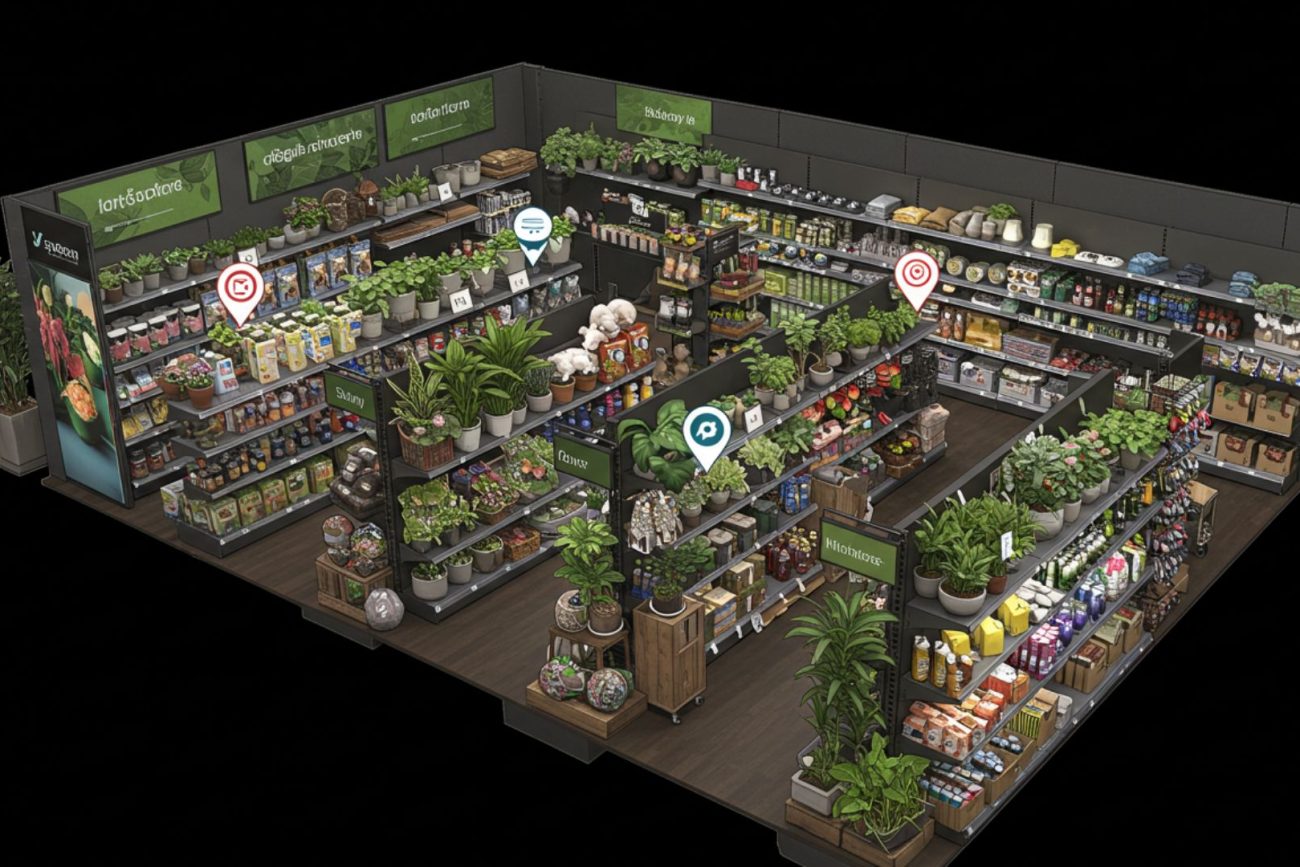
Incorporating interactive elements into virtual tours significantly enhances the user experience by making the exploration more engaging and informative. Interactive features such as clickable hotspots, embedded multimedia, and guided narratives provide users with additional information and control over their exploration. These elements can include pop-up descriptions, audio guides, video clips, and interactive maps, enriching the virtual tour and providing a more comprehensive understanding of the environment. Interactive virtual tours cater to diverse learning styles and preferences, making the experience more inclusive and effective.
Future Trends and Innovations
Advancements in VR and AR Technologies
The future of 3D scanning and virtual tours is closely tied to advancements in Virtual Reality (VR) and Augmented Reality (AR) technologies. Enhanced VR and AR capabilities will enable more immersive and interactive virtual tours, incorporating features such as real-time collaboration, augmented overlays, and haptic feedback. These advancements will further bridge the gap between virtual and physical experiences, making virtual tours more realistic and engaging.
Integration with Artificial Intelligence and Machine Learning
Integrating Artificial Intelligence (AI) and Machine Learning (ML) with 3D scanning and virtual tours opens new possibilities for personalization and automation. AI algorithms can analyze user behavior and preferences to tailor virtual tours, providing personalized recommendations and dynamic content based on individual interests. Machine Learning can enhance the accuracy and efficiency of 3D scanning processes, automating tasks such as image processing, object recognition, and environment mapping.
Expansion into New Industries and Applications
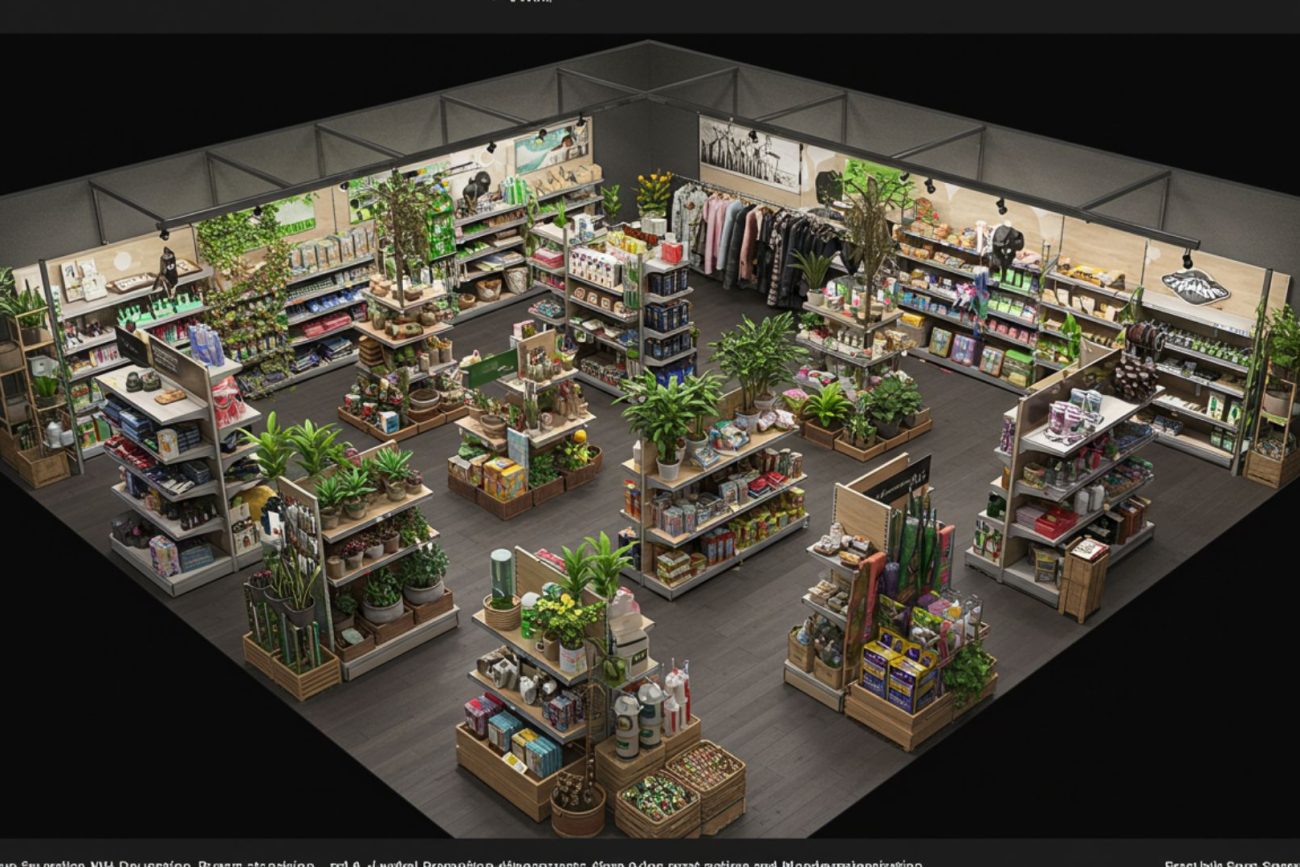
As 3D scanning and virtual tour technologies continue to evolve, their applications are expanding into new industries and use cases. Emerging sectors such as virtual retail, remote healthcare consultations, and interactive virtual training programs are beginning to leverage these technologies to enhance their services and operations. The versatility and adaptability of 3D scanning and virtual tours ensure that they will remain at the forefront of technological innovation, driving transformative changes across a wide range of industries.
Frequently Asked Questions
What are the main advantages of using 3D scans for virtual tours?
3D scans provide detailed and accurate representations of environments, allowing for comprehensive visualization and immersive exploration. They enhance accessibility by enabling remote access to spaces, increase engagement through interactive and realistic experiences, and offer cost and time efficiency by reducing the need for multiple physical visits. Additionally, 3D scans aid in preservation and documentation, creating precise digital archives for future reference and restoration.
How do virtual tours benefit the real estate industry?
Virtual tours offer potential buyers an immersive walkthrough of properties, enhancing the buying experience by allowing thorough exploration without the need for physical visits. This leads to increased engagement, higher interest, and a greater likelihood of conversion. Virtual tours also streamline the sales process by enabling buyers to shortlist properties efficiently, saving time and resources for both buyers and sellers.
Can virtual tours be used for educational purposes?
Yes, virtual tours are highly beneficial for educational purposes. They provide students with virtual access to historical sites, museums, and scientific facilities, enriching the learning experience through immersive and interactive exploration. Virtual tours facilitate a deeper understanding of complex concepts, enhance engagement, and make educational content more accessible and engaging.
What industries can benefit the most from 3D scanning and virtual tours?
Industries such as real estate, tourism and hospitality, education, cultural heritage, and retail can significantly benefit from 3D scanning and virtual tours. These technologies enhance customer engagement, improve accessibility, and provide comprehensive visualization, making them valuable tools for marketing, education, preservation, and sales across various sectors.
What are the potential challenges of implementing 3D scanning and virtual tours?
Implementing 3D scanning and virtual tours can present challenges such as the high cost of technology and equipment, the need for skilled personnel to operate and manage the systems, and ensuring high-quality and accurate scans. Additionally, businesses must address data privacy and security concerns, especially when dealing with sensitive or proprietary environments. Overcoming these challenges requires careful planning, investment, and the adoption of best practices to ensure successful implementation and operation.
By harnessing the power of 3D scanning and virtual tours, industries can unlock new levels of accessibility, engagement, and efficiency. As technology continues to advance, the applications and benefits of virtual tours will expand, driving innovation and transforming how we interact with and perceive the world around us.