

Revolutionize Your Business with Virtual Tours: A Comprehensive Guide
Author
RonelFerreira
Date Published
Understanding Virtual Tours: The Basics
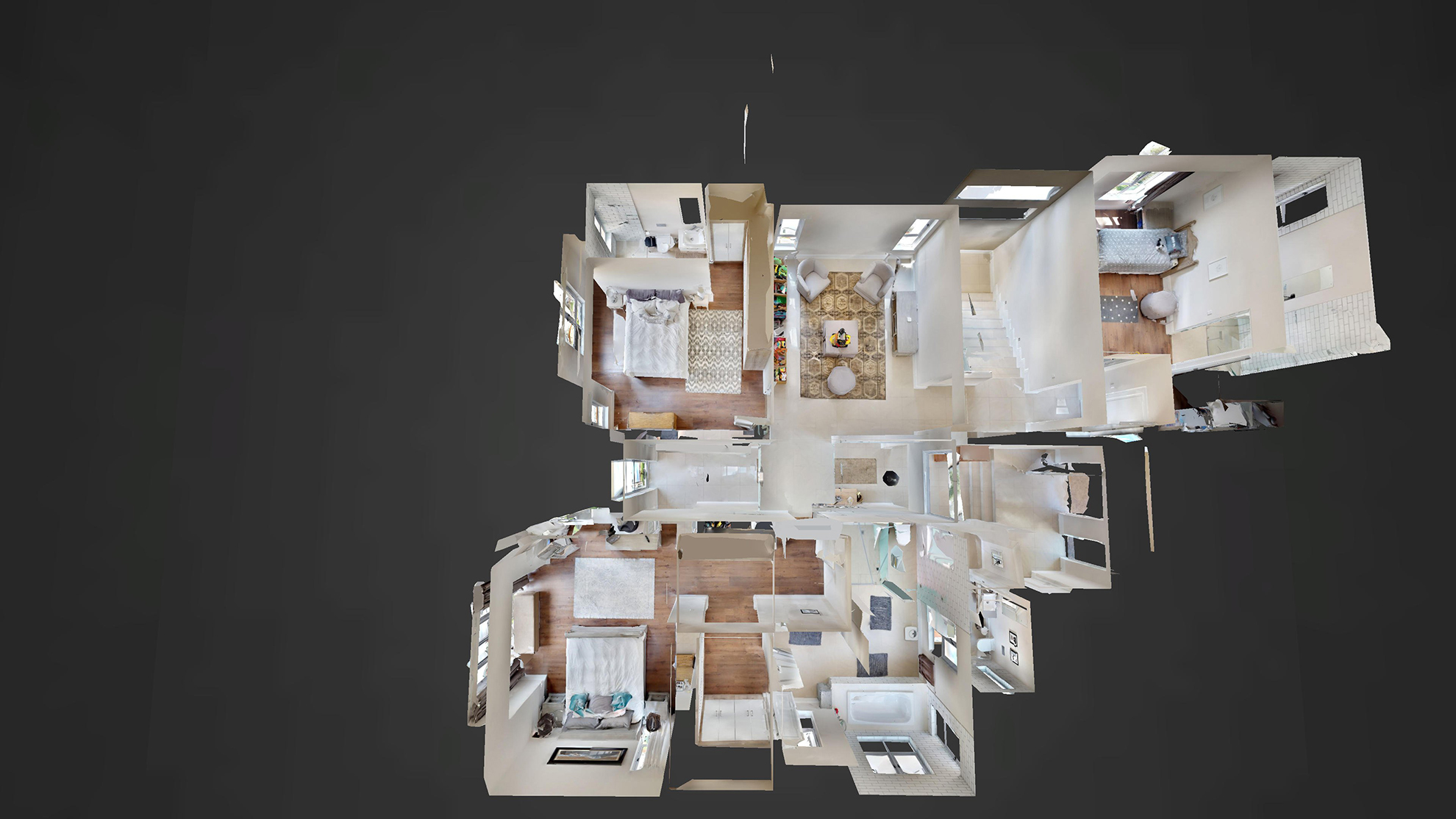
Virtual tours offer immersive digital journeys that enable users to explore spaces remotely. Unlike conventional photos or videos, these tours present a 360-degree panorama, granting users the autonomy to navigate as they please. Utilizing sophisticated imaging techniques and software, virtual tours seamlessly merge multiple images to craft a cohesive, interactive experience.
This technology is particularly advantageous for businesses, as it vividly showcases products, services, or physical locations in an engaging and dynamic manner. By providing a more comprehensive and captivating view, virtual tours significantly enhance customer attraction and retention, making them an indispensable tool for modern enterprises aiming to stand out in a competitive market.
The Evolution of Virtual Tours: From Real Estate to Retail
Initially gaining traction in the real estate sector, virtual tours have since proliferated across diverse industries. Real estate agents were early adopters, using this technology to provide potential buyers and renters with detailed property views, eliminating the need for physical visits. As the technology evolved, its potential became apparent to other fields. Retailers, museums, hotels, and educational institutions have embraced virtual tours to enrich their customer experience. Nowadays, virtual tours are a multifaceted tool that revolutionizes how businesses showcase their offerings and interact with their audience. This adaptability has made them indispensable in creating immersive, engaging experiences that captivate and retain customers across various domains.
Why Virtual Tours Are Crucial for Modern Businesses
In today’s digital-first landscape, standing out demands more than just a polished website or engaging social media presence. Virtual tours provide an unmatched level of interactivity and engagement, seamlessly bridging the gap between online and physical experiences. They allow businesses to showcase their spaces or products in a thorough and immersive manner, fostering trust with potential customers. This trust often translates into higher conversion rates. For contemporary businesses, adopting virtual tours isn't merely an option; it's a strategic imperative. Embracing this technology is essential to staying competitive and relevant in an increasingly digital market.
Benefits of Implementing Virtual Tours
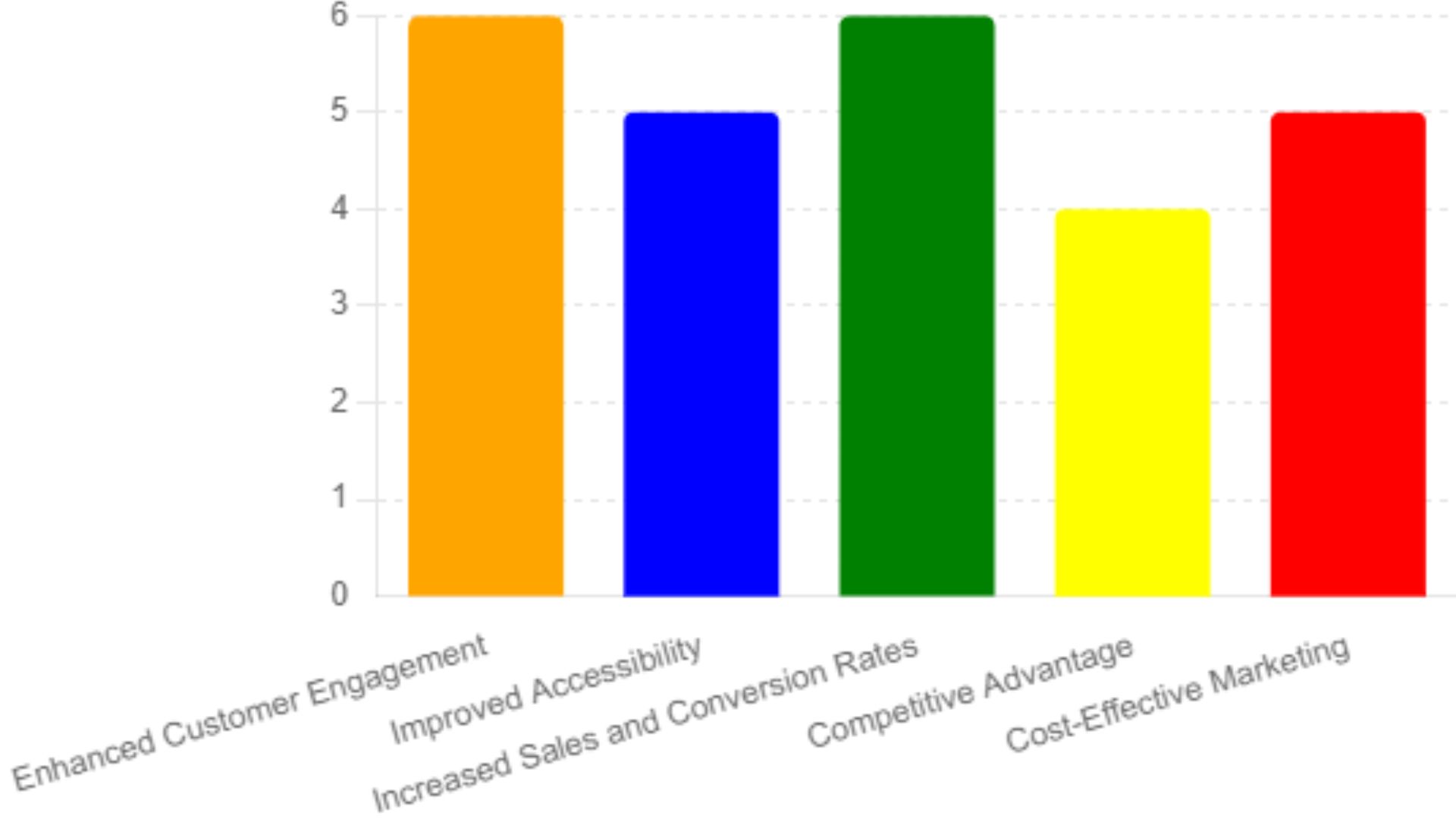
Enhanced Customer Engagement: Captivating Your Audience
Virtual tours offer an immersive experience that static images and videos simply can't rival. Allowing customers to explore at their own pace, these tours keep viewers engaged longer, significantly boosting conversion chances. Users are more likely to remember and revisit a website that delivers an interactive and visually rich experience. This heightened engagement often translates to greater customer satisfaction and loyalty. By immersing users in a detailed, interactive environment, virtual tours foster a deeper connection with the audience, encouraging them to return and engage more frequently, thus driving long-term business success.
Improved Accessibility: Breaking Geographic Barriers
One of the standout advantages of virtual tours is their ability to transcend geographic barriers. Potential customers from anywhere in the world can explore your business without needing to travel. This level of accessibility is especially beneficial for sectors like real estate, tourism, and education, where physical presence has traditionally posed a significant hurdle. By incorporating virtual tours, businesses can reach a broader market and attract a more diverse clientele. This expanded reach not only enhances visibility but also opens up new opportunities for growth and customer engagement, making virtual tours a powerful tool for any forward-thinking business.
Increased Sales and Conversion Rates: Turning Views into Sales
The immersive nature of virtual tours aids potential customers in making more informed decisions. By offering a detailed and realistic view of your offerings, virtual tours mitigate uncertainties and build confidence. This transparency often translates to higher conversion rates, as customers feel more assured about their purchases or commitments. Whether it's booking a hotel room, signing a lease, or buying a product, virtual tours can significantly boost sales. The ability to explore spaces or products in-depth online empowers customers, leading to better decision-making and increased satisfaction with their choices.
Competitive Advantage: Standing Out in the Market
In a crowded marketplace, differentiation is crucial. Virtual tours provide a unique selling point that can set your business apart from competitors. Investing in this technology signals to your audience that you are both innovative and customer-centric. This perceived value can significantly enhance your brand's reputation and attract more business. By offering an interactive and immersive experience, virtual tours not only highlight your commitment to cutting-edge solutions but also demonstrate a deeper understanding of customer needs. This strategic advantage can lead to increased brand loyalty and a stronger market presence.
Cost-Effective Marketing: Maximizing ROI
While creating a virtual tour entails an initial investment, the long-term benefits significantly outweigh the costs. Virtual tours act as a robust marketing tool that can be reused and repurposed across numerous platforms. They minimize the need for multiple site visits, saving both time and resources. Additionally, the heightened engagement and conversion rates translate into a higher return on investment, rendering virtual tours a highly cost-effective marketing strategy. The ability to consistently attract and engage customers with immersive experiences makes virtual tours an invaluable asset for any business looking to maximize its marketing efforts and achieve sustained growth.
Creating an Effective Virtual Tour
Choosing the Right Technology: VR, 360-Degree Cameras, and More
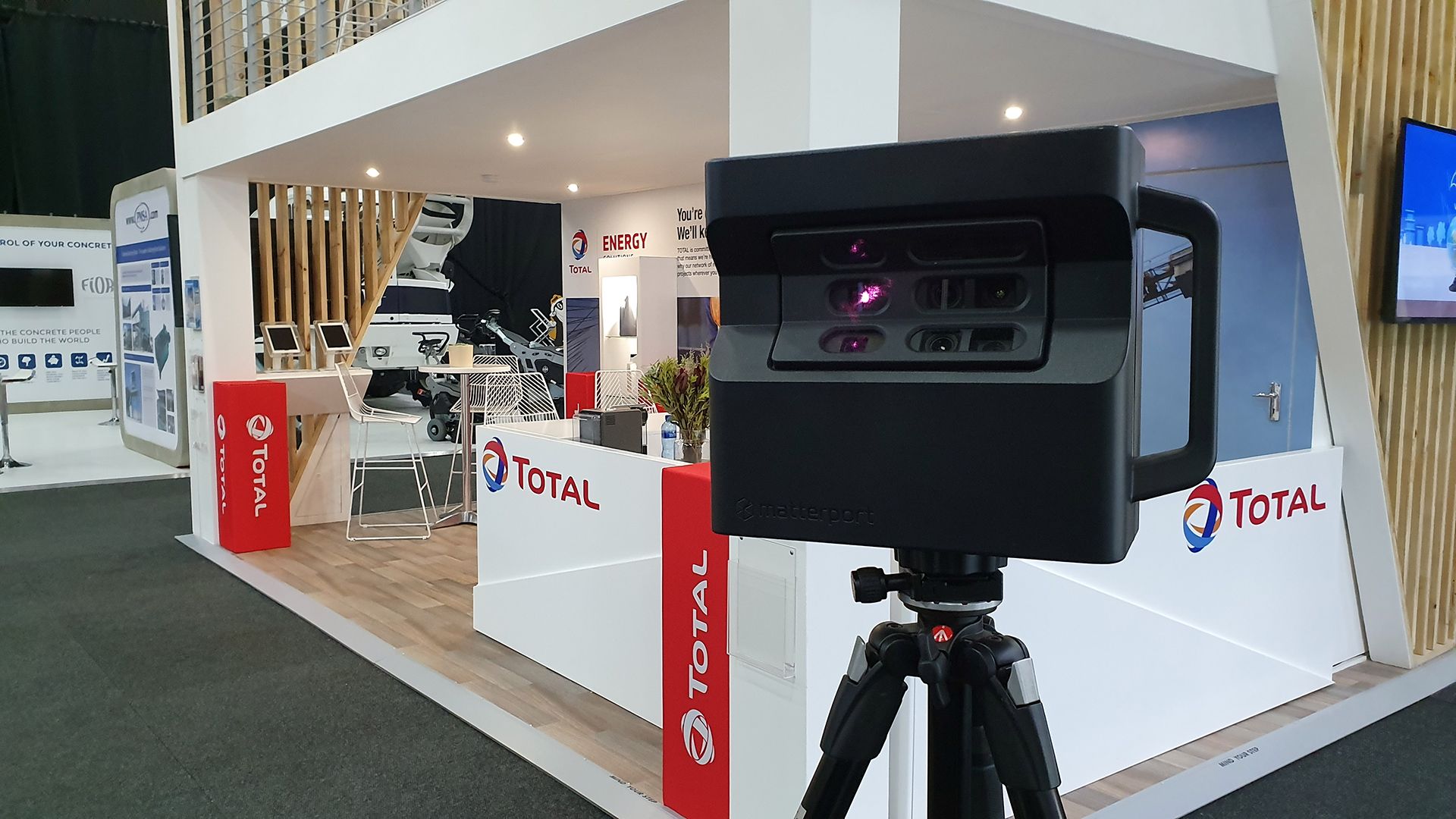
Choosing the right technology is essential for crafting a high-quality virtual tour. Virtual reality (VR) headsets offer a fully immersive experience, perfect for industries such as real estate and tourism, where a detailed, lifelike presentation can make a significant impact. For broader applications, 360-degree cameras are a favored option, providing an optimal balance between quality and accessibility. Furthermore, software tools for stitching images together and enhancing interactivity are vital for delivering a seamless user experience. By assessing your specific needs and budget, you can make an informed decision on the most suitable technology for your virtual tour, ensuring it meets your objectives and exceeds customer expectations.
Best Practices for Capturing High-Quality Footage
Capturing high-quality footage is the cornerstone of an effective virtual tour. Proper lighting, stable equipment, and strategic angles are paramount. Highlighting the most appealing aspects of your space while maintaining a natural flow is crucial. Utilizing a tripod can prevent shaky footage, ensuring a professional look. Conducting multiple takes allows you to capture the best possible visuals. Post-production editing, including adjusting brightness and contrast, can further enhance the final product, making your virtual tour more engaging and visually appealing. By focusing on these elements, you can create a virtual tour that truly captivates and impresses your audience.
Crafting a Seamless User Experience: Navigation and Interactivity
A successful virtual tour goes beyond visual appeal; it must also be user-friendly. Intuitive navigation is essential for maintaining user engagement. Incorporating interactive elements, such as clickable hotspots and informative pop-ups, adds context and enriches the experience. Ensuring the tour is compatible with various devices, including smartphones, tablets, and desktops, broadens its accessibility. By focusing on these aspects, you can create a virtual tour that not only looks great but also provides a seamless, interactive experience for a diverse audience, ultimately enhancing user satisfaction and engagement.
Integrating Virtual Tours with Your Website and Social Media
To maximize the impact of your virtual tour, integrate it seamlessly with your website and social media channels. Embed the tour on your homepage or product pages to capture immediate interest. Sharing snippets or highlights on social media can drive traffic back to your website, further engaging potential customers. Utilizing these platforms effectively will enhance visibility and reach, attracting a broader audience to explore your virtual tour. By strategically promoting your virtual tour across multiple channels, you can ensure it gains the attention it deserves and delivers the intended results in terms of engagement and conversions.
Case Studies: Successful Virtual Tour Implementations
Real-world examples offer valuable insights into the effectiveness of virtual tours. For instance, real estate companies like Zillow have successfully used virtual tours to boost property viewings and sales, providing potential buyers with a detailed, immersive look at listings. Retail giants such as IKEA have pioneered virtual showrooms, enabling customers to explore and visualize products from the comfort of their homes. These case studies illustrate how various industries have harnessed the power of virtual tours to meet and exceed their business objectives. By examining these successes, businesses can better understand the potential of virtual tours to drive engagement and growth.
Promoting and Measuring the Success of Your Virtual Tour
Marketing Strategies: Reaching Your Target Audience
Effective promotion is crucial for the success of your virtual tour. Employ a blend of marketing strategies, such as email campaigns, social media advertising, and influencer partnerships, to reach your target audience. Highlight the unique features of your virtual tour and emphasize its benefits to entice users to engage. Consistent and targeted promotion will drive traffic and boost awareness, ensuring your virtual tour garners the attention it deserves. By leveraging diverse marketing channels, you can maximize your reach and create a buzz around your virtual tour, ultimately leading to higher engagement and conversion rates.
Utilizing SEO: Boosting Visibility with Optimized Content
Search engine optimization (SEO) is an invaluable tool for enhancing the visibility of your virtual tour. Incorporate relevant keywords in your tour descriptions, titles, and metadata to elevate your search engine rankings. Developing high-quality, informative content around your virtual tour can attract significant organic traffic. Regularly updating this content and promoting it across multiple channels will help maintain your virtual tour's prominence in search results. By strategically leveraging SEO, you can ensure that your virtual tour remains easily discoverable, driving consistent traffic and engagement from potential customers.
Analyzing Metrics: Measuring Engagement and Conversion Rates
Tracking the performance of your virtual tour is essential for gauging its impact. Utilize analytics tools to measure key metrics such as engagement rates, click-through rates, and conversion rates. By analyzing this data, you gain valuable insights into user behavior and preferences. These insights can guide you in refining and optimizing your virtual tour for improved results. Understanding how users interact with your tour allows you to make informed adjustments, ensuring it remains engaging and effective in driving conversions. This continuous improvement process is key to maximizing the success of your virtual tour.
Gathering Customer Feedback: Continuous Improvement
Customer feedback is invaluable for enhancing your virtual tour. Encourage users to share their experiences and suggestions through surveys or feedback forms. Analyzing this feedback can pinpoint areas for improvement and help you address any issues. By continuously iterating based on user input, you can ensure your virtual tour remains effective and engaging. This iterative process fosters a user-centric approach, ultimately leading to a more polished and satisfactory virtual tour experience that meets the evolving needs and preferences of your audience.
Future Trends: Staying Ahead with Emerging Technologies
The landscape of virtual tours is continually evolving with new technologies and trends. Staying informed about advancements such as augmented reality (AR), artificial intelligence (AI), and improved VR capabilities will keep your virtual tour cutting-edge. Adopting these emerging technologies can enhance the user experience and provide new opportunities for engagement and growth.
The integration of virtual tours into your business strategy offers a multitude of benefits, from enhanced customer engagement to increased sales and competitive advantage. By understanding the basics, leveraging the right technology, and implementing effective marketing strategies, you can create a compelling virtual tour that revolutionizes your business. Embrace this innovative tool and stay ahead in the ever-evolving digital landscape.