

Exploring the World Virtually: The Comprehensive Guide to Virtual Tours
Author
RonelFerreira
Date Published
Unlocking New Dimensions of Travel Through Technology
Imagine strolling through the Louvre Museum in Paris, gazing upon the Mona Lisa, all without leaving the comfort of your home. This isn't a scene from a science fiction novel but a reality made possible by virtual tours. As technology advances, virtual tours are revolutionizing the way we explore the world, breaking down geographical barriers and redefining accessibility. In this comprehensive guide, we'll delve into the evolution, technology, applications, and future of virtual tours, unraveling how they're reshaping our interaction with spaces near and far.
The Evolution of Virtual Tours: From Panoramas to Immersive Experiences
The Genesis of Virtual Exploration
The concept of virtual tours isn't entirely new. It traces back to the early days of the internet when static panoramic images offered a glimpse into distant locales. These rudimentary virtual experiences were akin to peering through a window, providing a limited yet intriguing view of the outside world. As digital cameras and internet speeds improved, so did the quality and interactivity of virtual tours.
Fast forward to today, and virtual tours have transformed into immersive experiences that engage multiple senses. They're no longer just about visuals; they're about feeling present in a different environment. This metamorphosis is much like the evolution from silent films to modern cinema—each advancement adds layers of depth and engagement.
Technological Milestones Shaping Virtual Tours
Several technological breakthroughs have propelled virtual tours into the mainstream. The advent of 360-degree photography allowed for the creation of spherical images, providing viewers with a complete view of a location. The integration of virtual reality (VR) headsets took this a step further, enabling users to immerse themselves fully in virtual environments.
Moreover, the rise of high-speed internet and cloud computing has made these data-heavy experiences more accessible. Technologies like WebGL and HTML5 have facilitated seamless integration of virtual tours into websites without the need for additional plugins. These milestones are the building blocks that have constructed the sophisticated virtual tours we experience today.
From Niche to Necessity: The Pandemic Effect
The global pandemic acted as a catalyst, transitioning virtual tours from a niche interest to a widespread necessity. With travel restrictions and lockdowns in place, museums, tourist attractions, and even real estate agencies turned to virtual tours to reach their audiences. This period underscored the importance of virtual connectivity, much like how video conferencing became indispensable for remote work.
The pandemic didn't just accelerate adoption; it also spurred innovation. Organizations began to explore interactive elements, live guides, and multi-user experiences within virtual tours. This era demonstrated that virtual tours are not merely substitutes for physical visits but are valuable experiences in their own right.
The Technology Behind Virtual Tours
360-Degree Photography and Videography
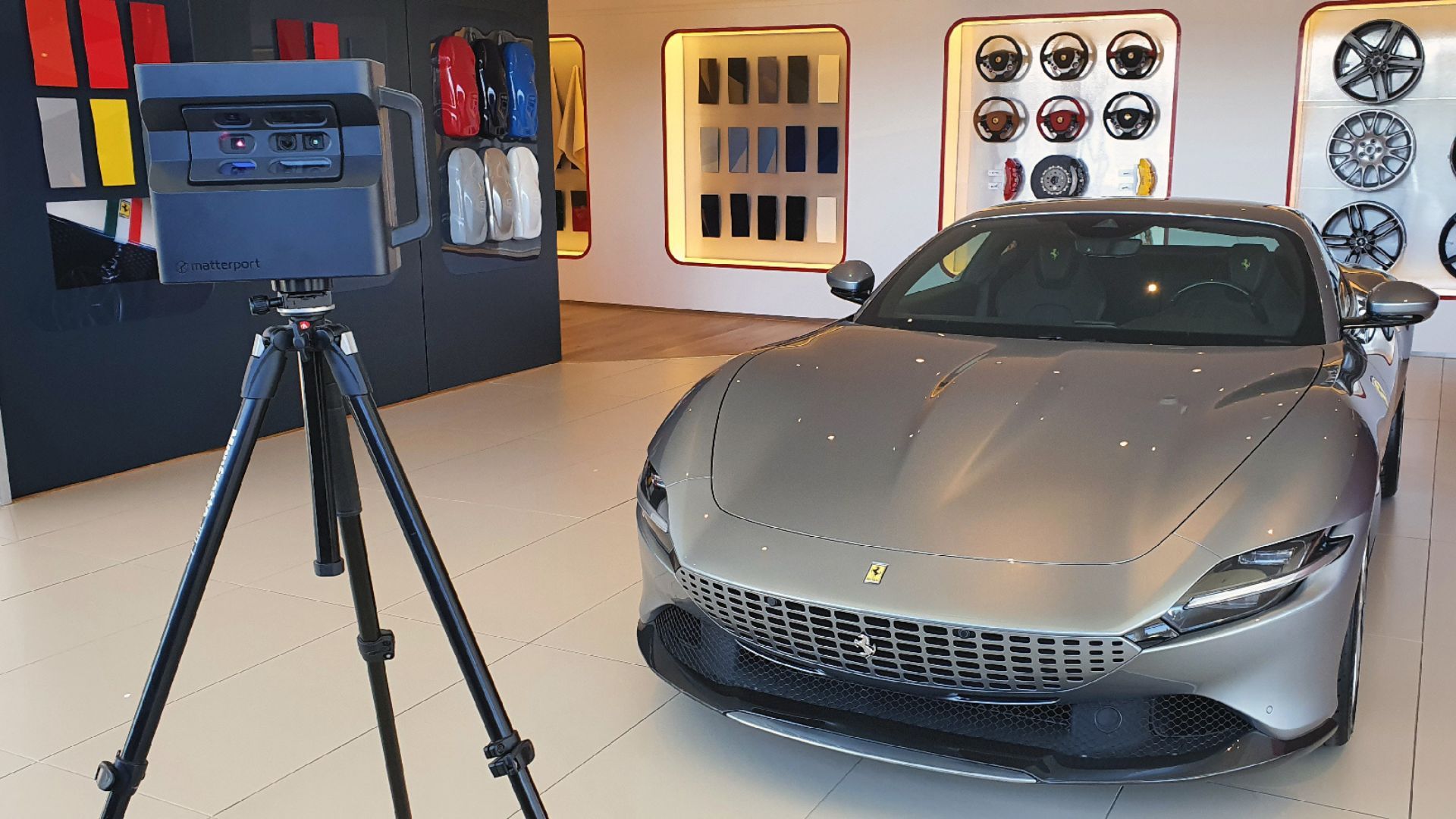
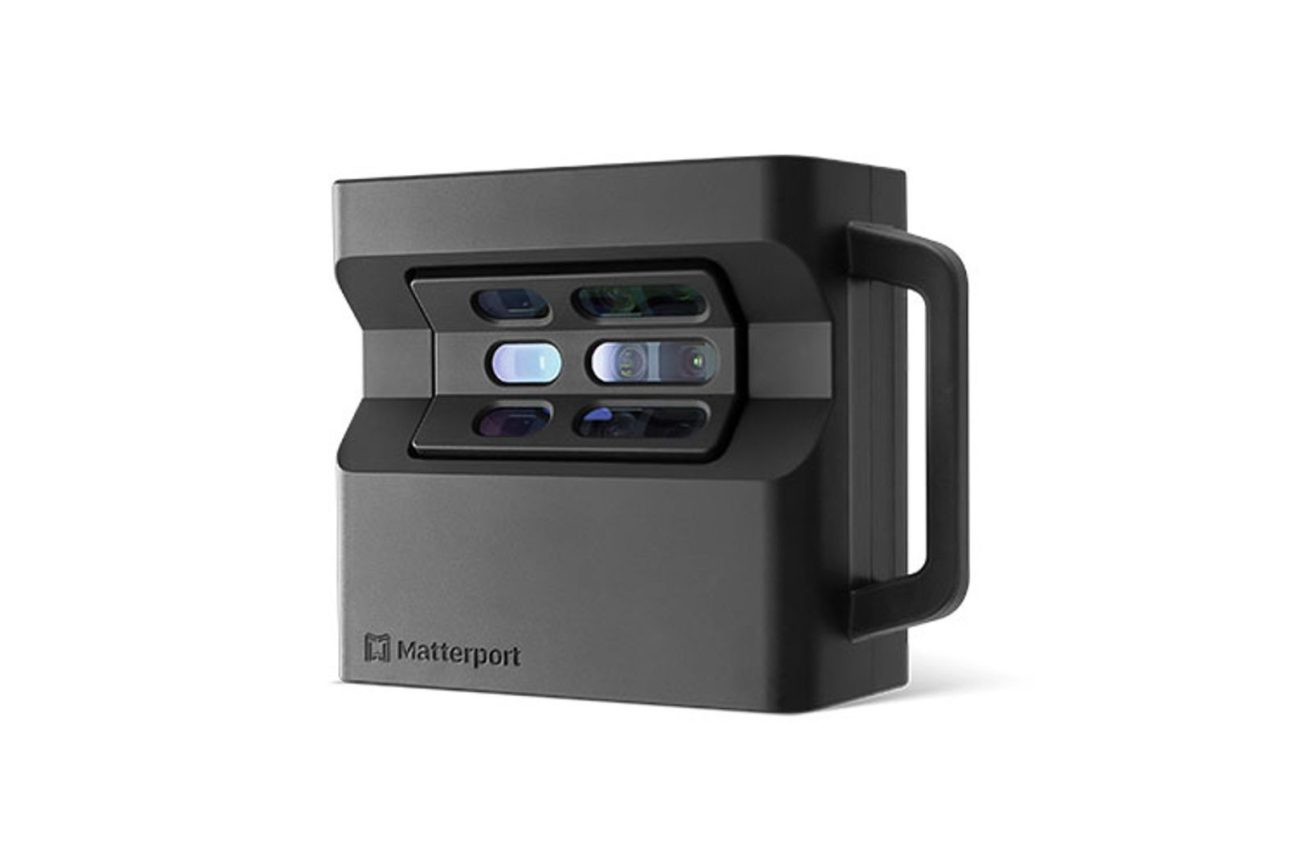
At the core of many virtual tours lies 360-degree photography and videography. Specialized cameras capture images in all directions, creating a seamless spherical view. When stitched together using software, these images allow users to navigate through spaces as if they were physically present.
This technology is akin to assembling a jigsaw puzzle, where each piece (image) must align perfectly to create a flawless picture. Advanced algorithms handle the stitching process, correcting distortions and ensuring continuity. The result is a fluid visual experience that responds to user input, offering a personalized exploration of the environment.
Virtual Reality (VR) and Augmented Reality (AR) Integration
The integration of VR and AR has elevated virtual tours to new heights. VR headsets like the Oculus Rift or HTC Vive provide immersive experiences by blocking out the physical world and replacing it with a virtual one. Users can look around naturally, and in some cases, interact with virtual objects.
On the other hand, AR overlays digital information onto the real world. Using devices like smartphones or AR glasses, users can enhance physical tours with virtual elements. For instance, pointing your phone at a historical landmark could display its history, much like adding annotations to a live scene.
These technologies are the bridges between reality and the digital realm, blurring the lines and creating a hybrid experience. They're the equivalent of stepping into a painting and walking around within its landscape.
Software Platforms and Tools
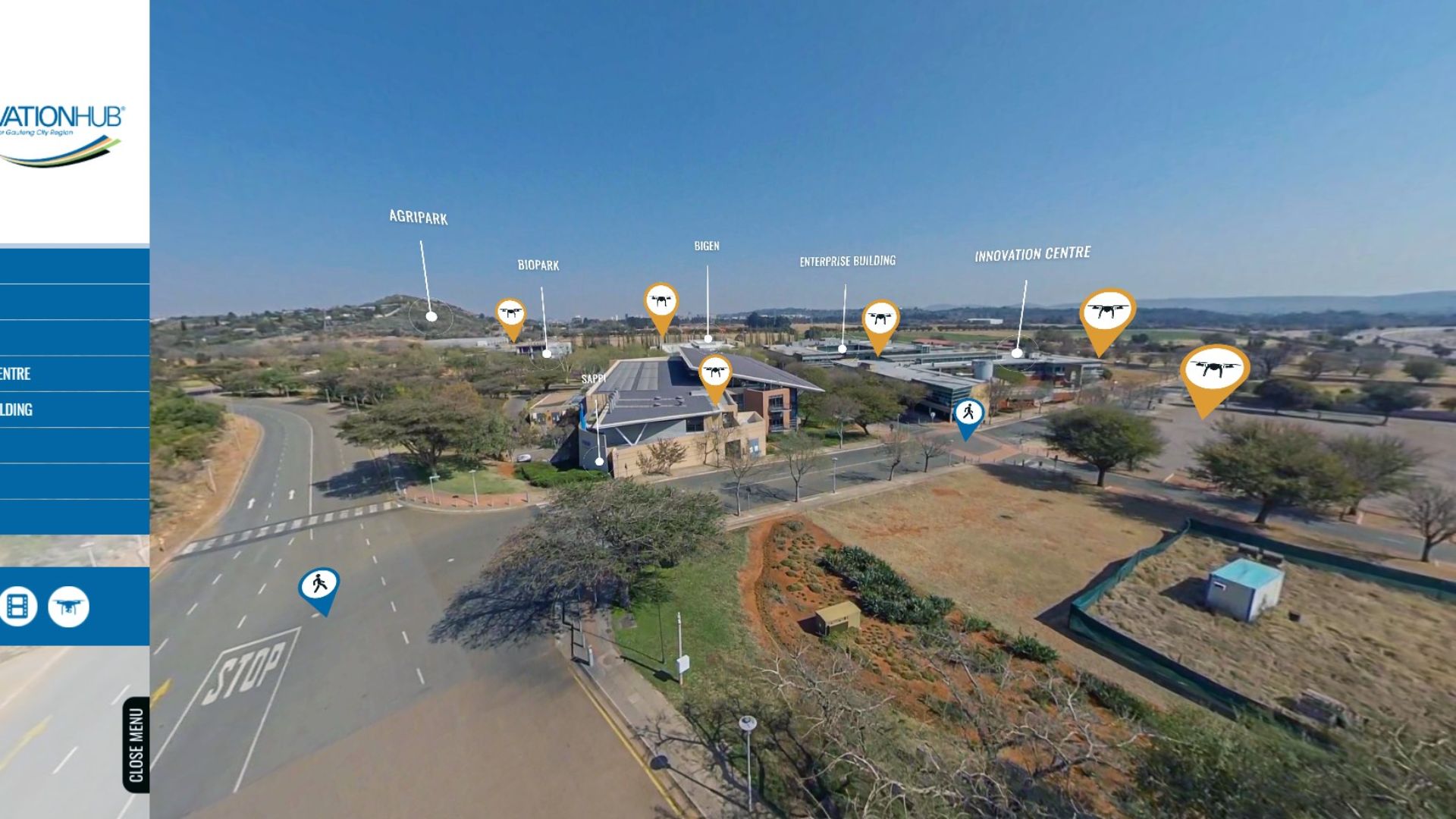
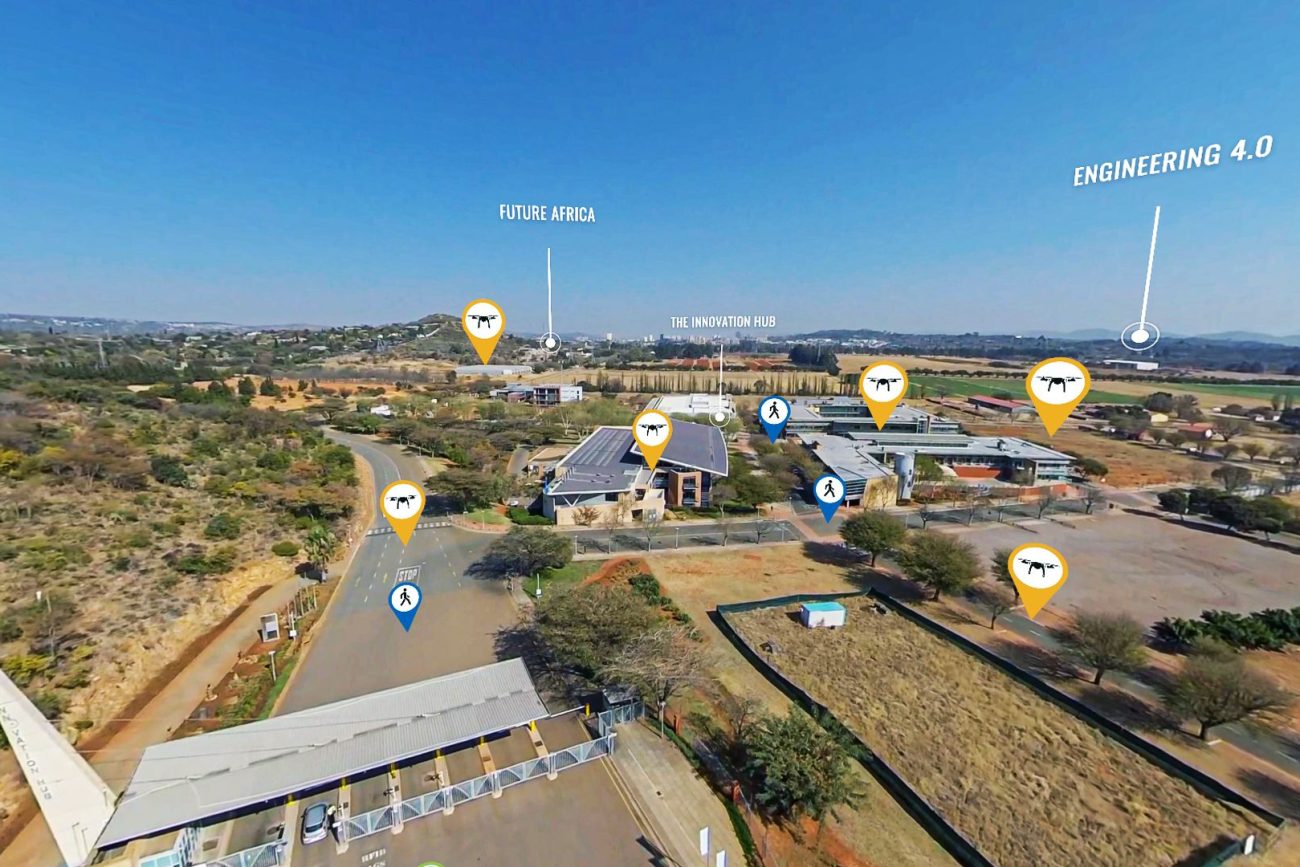
Creating a virtual tour involves a suite of software tools. Platforms like Matterport, Kuula, and 3DVista offer end-to-end solutions for capturing, editing, and publishing virtual tours. They provide features like interactive hotspots, informational overlays, and multimedia integration.
These tools are the artist's palette for virtual tour creators, offering a range of options to customize and enhance the experience. They handle complex tasks like rendering and hosting, allowing creators to focus on content rather than technicalities. The availability of user-friendly software has democratized virtual tour creation, enabling even small businesses to participate.
Applications of Virtual Tours Across Industries
Real Estate: Redefining Property Showcases
In real estate, virtual tours have become indispensable. They allow potential buyers to explore properties without physical visits, saving time and expanding the reach of listings. High-definition tours provide detailed views of spaces, from the layout of rooms to the texture of finishes.
This virtual approach is like offering an open house that's always available, accessible from anywhere in the world. It enhances transparency and builds trust with clients, as they can thoroughly examine properties at their convenience. For realtors, it's a powerful marketing tool that sets listings apart in a competitive market.
Tourism and Hospitality: Global Exploration from Home
The tourism and hospitality industry has embraced virtual tours to showcase destinations, hotels, and attractions. Travelers can preview experiences, helping them make informed decisions and build excitement for future trips. Virtual tours of hotel rooms, amenities, and local attractions enhance marketing efforts.
It's akin to providing a taste test before a meal, giving potential visitors a sample of what awaits them. In some cases, virtual tours have become experiences themselves, allowing people to explore places they might never visit physically due to distance, cost, or mobility constraints.
Education and Cultural Institutions: Interactive Learning
Museums, galleries, and educational institutions utilize virtual tours to expand access to knowledge. Virtual field trips enable students to explore historical sites, natural wonders, and cultural landmarks without logistical challenges. Interactive elements like quizzes and informational hotspots enhance learning.
This application transforms passive observation into active participation, much like turning a lecture into a hands-on workshop. It democratizes access to education, breaking down barriers related to geography and resources, and fostering global awareness.

The Impact of Virtual Tours on Society
Accessibility and Inclusion Benefits
Virtual tours have significantly improved accessibility. Individuals with mobility issues, disabilities, or those living in remote areas can now explore places that were previously out of reach. This inclusivity extends to educational opportunities, cultural experiences, and recreational activities.
It's comparable to building ramps and elevators in the digital world, ensuring everyone can navigate and enjoy spaces equally. By reducing physical and financial barriers, virtual tours contribute to a more inclusive and connected society.
Economic Implications for Businesses
For businesses, virtual tours offer cost-effective marketing and operational advantages. They can reach wider audiences without the expenses associated with physical events or showrooms. Analytics from virtual tours provide insights into consumer behavior, aiding in strategic decisions.
This impact is like opening multiple branches of a store without the overhead costs, maximizing reach while minimizing expenditure. It enables businesses to adapt to changing consumer preferences, particularly in a digital-first economy.
Environmental Considerations
Virtual tours contribute to environmental sustainability by reducing the need for travel. Lowering the number of physical visits decreases carbon emissions associated with transportation. This shift supports global efforts to combat climate change.
It's the ecological equivalent of carpooling on a massive scale, where each virtual visit replaces a potential trip, collectively making a significant environmental impact. By embracing virtual experiences, society can enjoy the benefits of exploration while preserving the planet.
The Future of Virtual Tours: Emerging Trends and Technologies
Artificial Intelligence and Personalization
The integration of artificial intelligence (AI) is set to revolutionize virtual tours further. AI can personalize experiences based on user preferences, guiding them through tours in ways that align with their interests. Virtual assistants could provide real-time information, answer questions, and make recommendations.
This development is akin to having a personal guide who knows your tastes and adapts the tour accordingly. It enhances engagement and makes virtual tours more interactive and user-centric.
Enhanced Interactivity and Social Integration
Future virtual tours will likely incorporate more interactive and social elements. Multi-user experiences could allow friends or colleagues to explore spaces together, regardless of their physical locations. Features like real-time chat, collaborative navigation, and shared annotations are on the horizon.
This progression transforms solitary exploration into shared adventures, much like multiplayer gaming brought communal experiences to digital entertainment. It adds a social dimension that enriches the overall experience.
Integration with Internet of Things (IoT) Devices
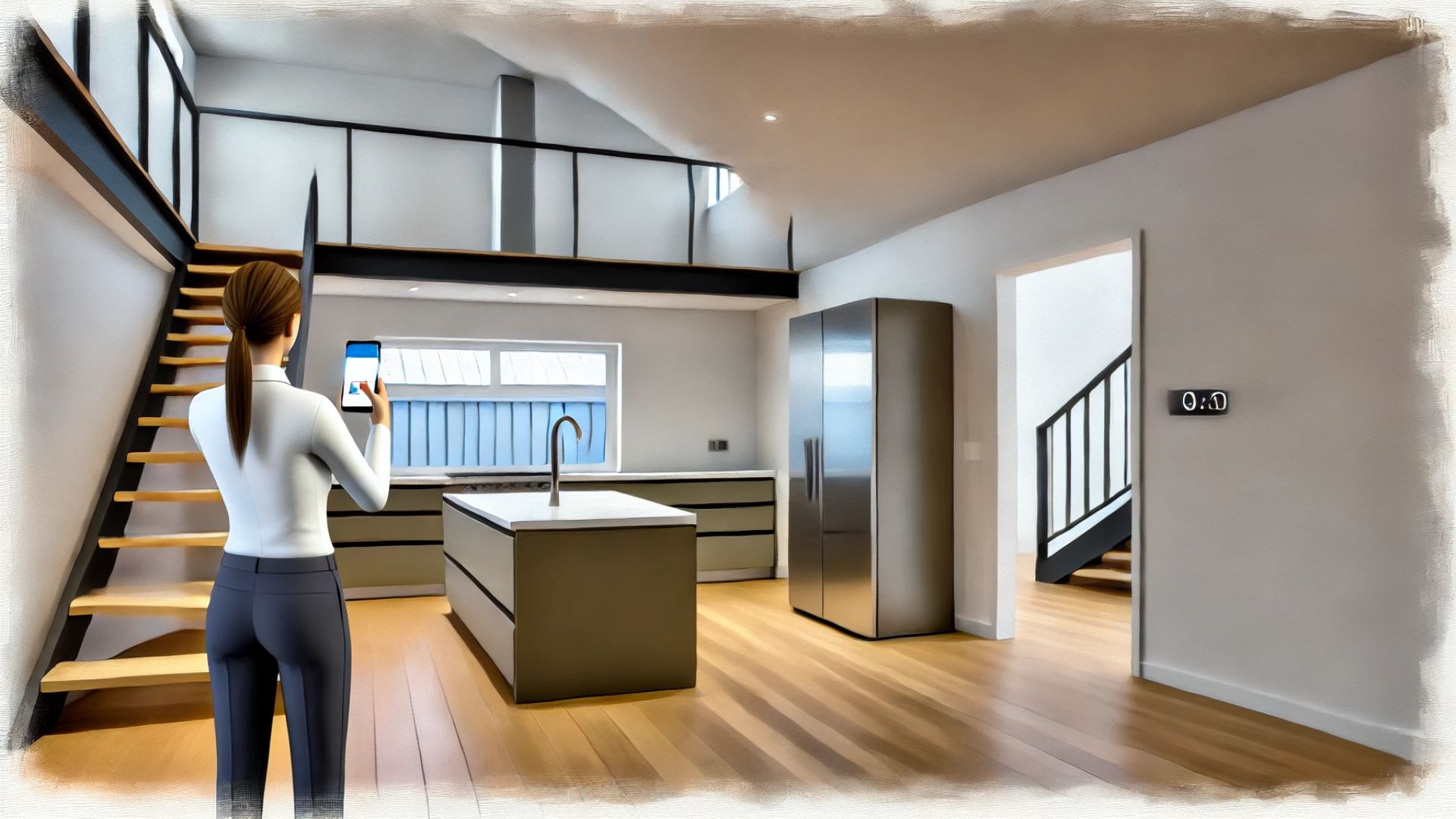
The Internet of Things (IoT) could play a role in making virtual tours more dynamic. Real-time data from IoT devices could update virtual environments with current information, such as live weather conditions or event schedules. Smart home technology could also allow users to control aspects of their virtual environment.
This integration is similar to synchronizing clocks in different time zones, ensuring that virtual representations are accurate and up-to-date. It adds a layer of realism and utility to virtual tours, bridging the gap between virtual and physical worlds.
Frequently Asked Questions
What equipment is needed to experience a virtual tour?
Generally, all you need is a device with internet access, such as a computer, tablet, or smartphone. For enhanced experiences, VR headsets like Oculus or Google Cardboard can be used but are not mandatory.
Can virtual tours replace physical visits?
While virtual tours offer immersive experiences, they complement rather than fully replace physical visits. They provide accessibility and convenience but may lack certain sensory elements like touch or ambiance.
How are virtual tours created?
Virtual tours are created using specialized cameras for 360-degree images or videos, software for stitching and editing, and platforms for hosting and integrating interactive features like hotspots and informational overlays.
Are virtual tours accessible for people with disabilities?
Yes, virtual tours can improve accessibility for individuals with mobility impairments or other disabilities by allowing them to explore spaces remotely. Features like audio descriptions can enhance accessibility further.
How secure is the data in virtual tours?
Reputable virtual tour platforms prioritize data security. However, as with any online content, it's important for creators to follow best practices for privacy and for users to access tours from trusted sources.