
Custom Branding & White-Label Virtual Tour Platforms
Author
Elisha Roodt
Date Published
A Glimpse into Revolutionary Immersive Storytelling
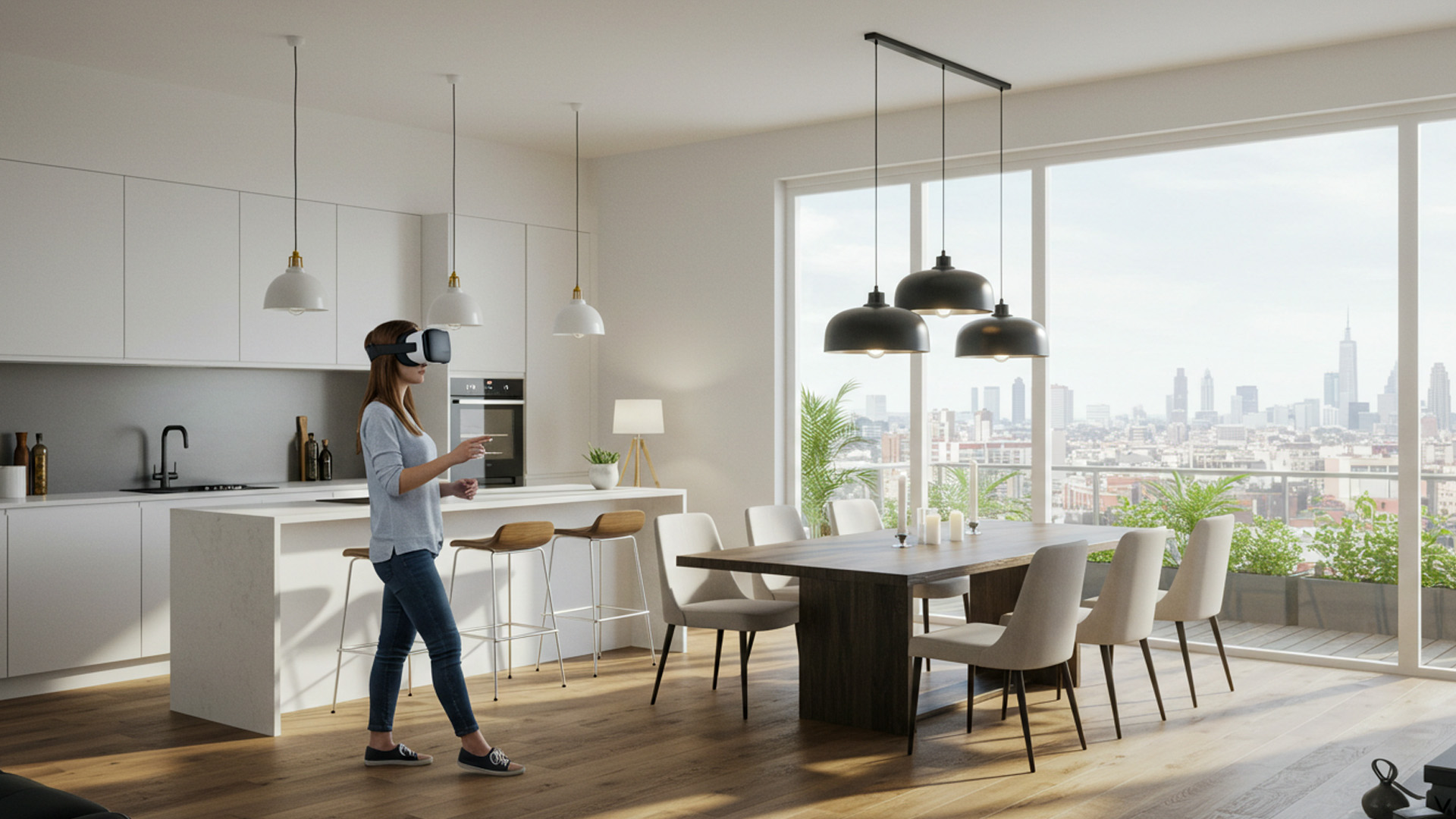
Imagine walking through a luxury real estate property without leaving your couch, or stepping into a museum exhibition from halfway across the globe. Virtual tours are no longer novelties—they’ve become essential business tools. Yet, in a world of standardized platforms, the question arises: how do companies maintain their unique brand identity while leveraging these immersive technologies? The answer lies in custom branding and white-label solutions that give tour providers the power to tailor every element—from logos and colors to interactive features—while ensuring seamless embedding into websites and social media. Let’s explore what clients expect and how providers can deliver.
The Core Desire for Brand Identity
Logos, Colors, and First Impressions
When a client invests in a virtual tour, they want their audience to step into an environment that instantly reflects their identity. Just as a storefront’s signage signals familiarity and trust, the logo and color scheme of a tour define the user’s first impression. Without these, even the most stunning immersive experience can feel generic. Clients seek platforms that allow them to upload logos, choose brand-specific color palettes, and align with existing digital guidelines. This customization isn’t vanity—it’s about recognition and continuity in every touchpoint.
Consider a boutique hotel chain that prides itself on deep burgundy and gold accents. If its virtual tour lacks these signature tones, the emotional connection weakens. Conversely, embedding recognizable brand colors ensures guests feel a seamless journey from brochure to website to virtual tour. The goal is to eliminate any dissonance and make the viewer feel, subconsciously, that they are already inside the brand’s world—even before stepping into the physical space.
Typography and Narrative Voice
Typography may seem secondary in immersive design, but it carries the weight of a brand’s voice. Clients want control over typefaces to match their broader identity. A contemporary art gallery might prefer minimal sans-serif fonts to convey modernity, while a heritage estate would lean toward classic serif fonts to suggest tradition. These typographic decisions frame how users perceive content and help maintain consistency across marketing collateral.
Beyond aesthetics, typography shapes narrative. Imagine walking through a winery’s virtual cellar. A sleek, elegant typeface paired with poetic descriptions can immerse viewers in a romantic experience. In contrast, a bold industrial font might signal efficiency and functionality for a manufacturing tour. White-label platforms that give clients this degree of typographic freedom deliver more than text—they deliver tone, personality, and story cohesion.
Custom Domains and Ownership
For many clients, true ownership means more than just aesthetic alignment. They want tours hosted under their own domain names, not generic subdomains that dilute authority. Using a white-label approach, providers can mask backend platforms and allow businesses to showcase tours directly on “tours.company.com” or “experience.brandname.com.” This not only reinforces branding but also builds credibility with search engines and users alike.
A real estate agency, for example, gains far more trust if prospective buyers see a virtual walk-through at “properties.agencyname.com” rather than “providername.com/123.” The difference is subtle yet powerful—it tells clients they are investing in a long-term branded asset rather than a temporary hosted solution. White-label providers who enable custom domains deliver autonomy, authority, and professionalism in one move.
Customization Beyond the Surface
Interactive Hotspots and Branded Widgets
Static visuals no longer suffice in a world that thrives on interactivity. Clients demand hotspots, pop-ups, and widgets that not only inform but also carry their unique brand essence. Imagine clicking a hotspot in a museum tour: instead of a plain white box with text, it could reveal a branded panel featuring the museum’s logo, curated typography, and even embedded audio narration. These seemingly small details reinforce the sense that the entire experience belongs to the client, not the software vendor.
For providers, this means building flexible hotspot systems that can accommodate logos, colors, custom shapes, and embedded media. A winery might use circular hotspots styled like corks, while a tech startup could use sleek geometric icons. The ability to shape hotspots into recognizable brand elements ensures that every interaction becomes part of the storytelling tapestry rather than an interruption.
Integrating E-Commerce Elements
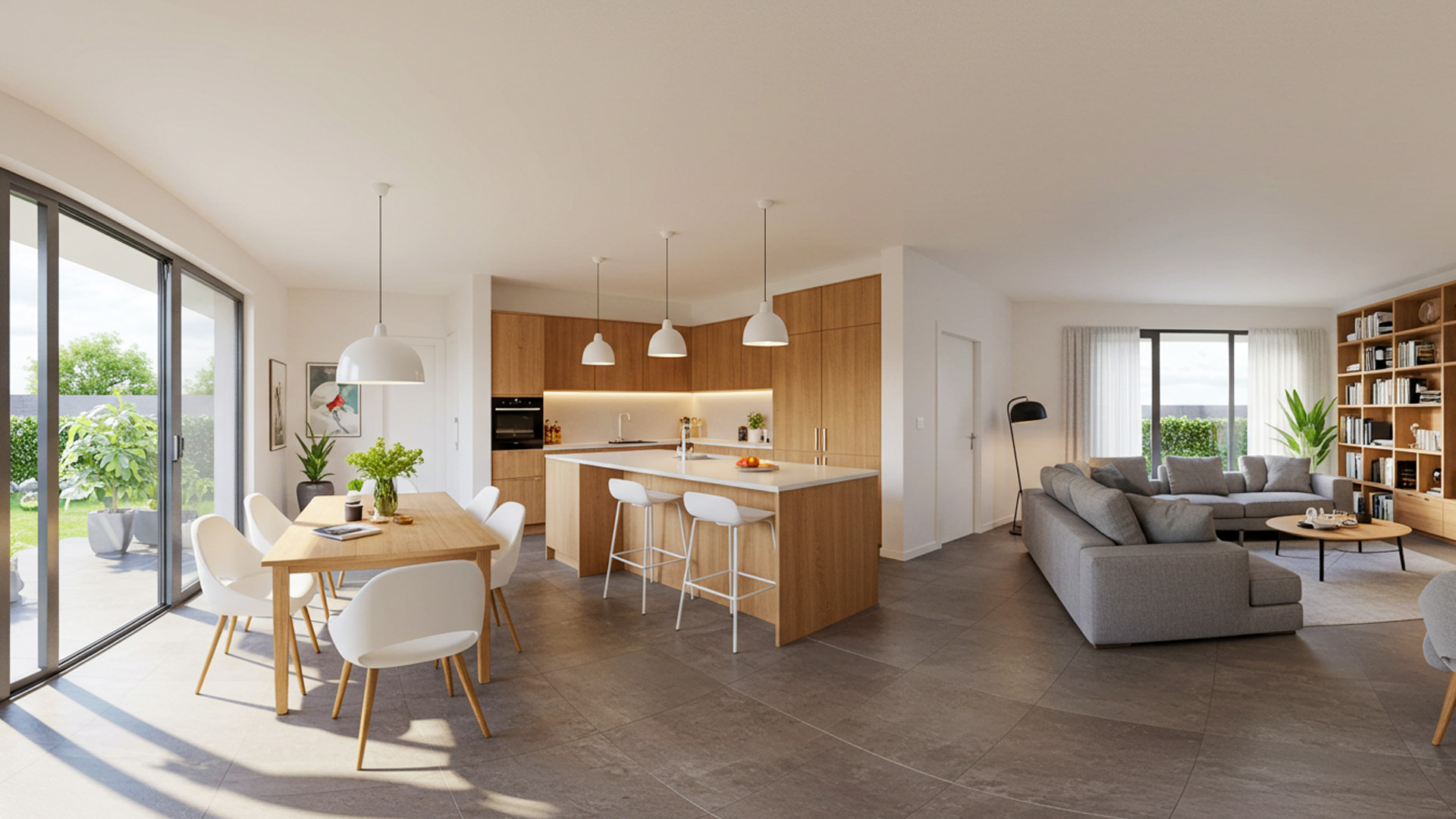
Beyond aesthetics, clients increasingly want functionality that drives measurable outcomes. White-label platforms can integrate e-commerce components, allowing users to purchase directly within a virtual tour. For example, a furniture retailer might let visitors explore a living room virtually and click on hotspots to add a couch or lamp to their shopping cart. The purchasing journey remains smooth, immersive, and branded end-to-end.
This evolution mirrors the concept of “shop the look” in fashion. Just as consumers can click on an outfit in a digital catalog and buy it immediately, they should be able to replicate the same action within an immersive environment. When implemented thoughtfully, e-commerce integrations transform virtual tours from passive explorations into active sales funnels that generate revenue without disrupting immersion.
Dynamic Storytelling with Data
Another layer of customization lies in tailoring experiences based on data-driven insights. White-label providers can offer clients analytics dashboards that reveal which rooms attract the most attention, which hotspots receive the most clicks, and how long viewers linger in specific areas. This data allows brands to refine their narratives, placing emphasis where engagement peaks. Storytelling becomes iterative, informed by audience behavior rather than guesswork.
Picture a historical site discovering through analytics that visitors spend twice as long in the armory compared to the chapel. With this knowledge, the site can enrich its armory content with additional 3D artifacts, audio stories, or even interactive mini-games. White-label solutions that empower brands with data transform static experiences into living ecosystems that evolve alongside audience preferences.
Embedding Across Digital Ecosystems
Seamless Website Integration
Clients expect virtual tours to blend naturally into their websites, not stand apart as disconnected experiences. White-label platforms must therefore provide flexible embedding options—iframe, JavaScript snippets, or WordPress plugins—that ensure tours inherit the look and feel of the hosting site. From navigation bars to footer styles, the tour should feel like an organic extension of the brand’s digital presence.
Take the example of a travel agency that wants to feature immersive previews of destinations on its homepage. A well-embedded tour lets users explore without leaving the page, while preserving the site’s header, footer, and overall navigation. The visitor feels continuity, which fosters trust and reduces friction. The more native the experience feels, the more likely the audience will stay engaged and convert.
Optimizing for Social Media Sharing
Social media thrives on shareability, and clients want their virtual tours to spread organically. White-label providers must ensure that tours generate attractive link previews with branded thumbnails, titles, and descriptions. Nothing undermines credibility faster than an unbranded, generic preview card that looks out of place in a polished feed. By contrast, a customized preview becomes a subtle yet powerful marketing vehicle.
Consider a restaurant sharing a new interior tour on Facebook. If the link preview shows the restaurant’s logo, a mouthwatering teaser image, and a catchy description, it’s far more likely to attract clicks than a barebones generic card. Social sharing then becomes not only a way to increase exposure but also a method to reinforce brand identity across platforms where attention spans are fleeting.
Cross-Platform Responsiveness
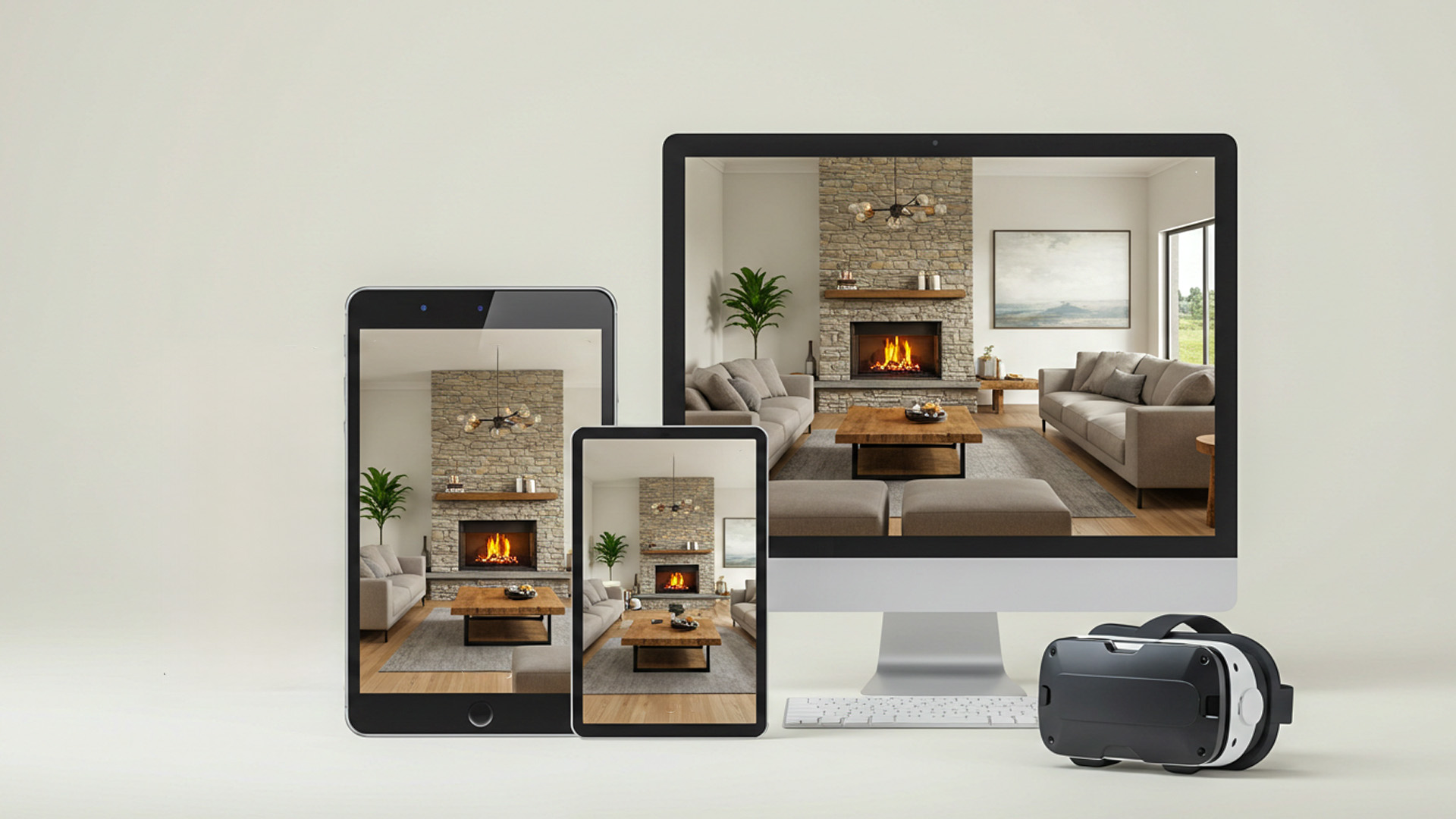
Clients also expect their virtual tours to adapt flawlessly across devices. Whether a user accesses the experience on a desktop monitor, a tablet, or a smartphone, the branding and interactive elements must remain consistent and functional. White-label solutions need responsive designs that adjust layouts, scale logos, and preserve interactivity without distortion. The user should never feel punished for choosing one device over another.
Imagine an automotive dealership showcasing its showroom through a virtual tour. On a wide desktop screen, the tour might emphasize panoramic detail, while on a smartphone, it optimizes for quick navigation and touch interaction. Regardless of device, the branded experience should feel coherent and intentional. Providers who prioritize responsiveness ensure their clients’ stories resonate with audiences everywhere, without compromise.
The Future of White-Label Immersion
AI-Driven Personalization
The horizon of white-label virtual tours extends far beyond static customization. Artificial intelligence promises to tailor experiences in real time, adapting narratives to user behavior. Imagine an art enthusiast being guided toward galleries featuring their preferred styles, or a prospective homebuyer receiving tailored recommendations based on their click patterns. Clients want more than tours—they want adaptive journeys that feel handcrafted for each viewer.
Providers who integrate AI-driven personalization into their white-label platforms will give brands an unprecedented storytelling tool. Every tour becomes not only branded but also dynamically curated. This hybrid of automation and customization blurs the line between digital content and personal concierge, elevating brand loyalty through hyper-relevance.
Immersive Crossovers with AR and VR
White-label solutions are also expanding beyond 360° tours into augmented and virtual reality. Clients envision scenarios where a user begins with a 360° walkthrough on their phone, then dons a VR headset to experience the same environment at full scale. For product-based businesses, augmented reality layers could allow customers to project furnishings into their living rooms directly from a branded tour. This crossover cements the brand’s presence in both physical and digital spaces.
Think of it as a bridge between imagination and reality. A furniture company, for instance, could start with a virtual showroom tour, then invite users to drop that same couch into their own living room using AR. The brand remains the guiding voice throughout, seamlessly integrated from tour to real-world context. Such innovations will shape the future of immersive marketing and customer engagement.
Sustainability and Longevity
Finally, clients are increasingly conscious of sustainability—not only environmentally but also digitally. They want virtual tours that remain relevant for years, capable of evolving without complete rebuilds. White-label providers can deliver by offering modular systems that allow incremental updates, scalable hosting solutions, and integrations with emerging technologies. A future-proofed platform ensures the brand’s investment doesn’t expire with the next wave of innovation.
For example, a university might launch a virtual campus tour today, then later expand it to include newly built facilities or updated academic programs. If the platform allows seamless layering of new content, the institution avoids the cost and disruption of starting from scratch. White-label systems built for longevity position clients not just for immediate impact but for enduring digital presence.